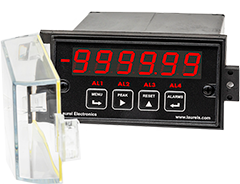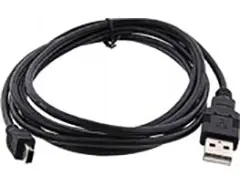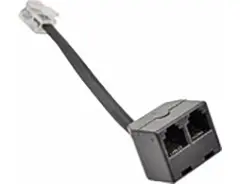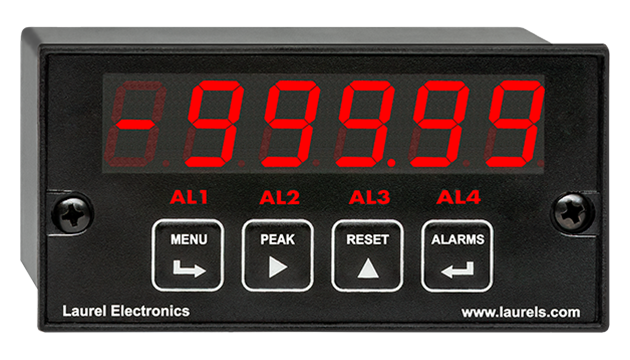
New Front Panel USB-C Port Coming Soon!
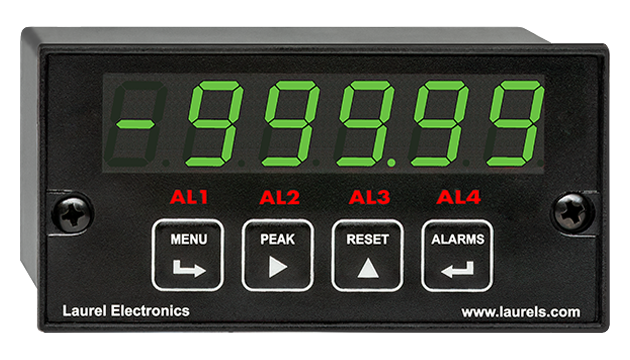
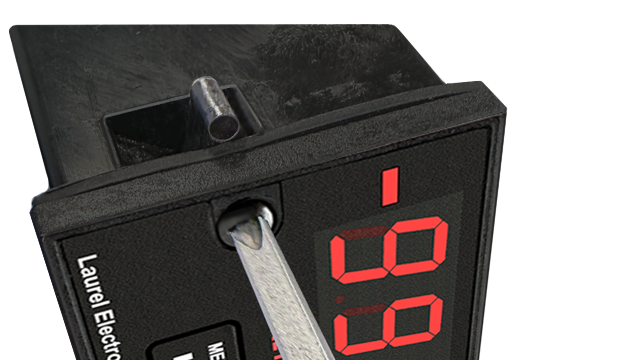
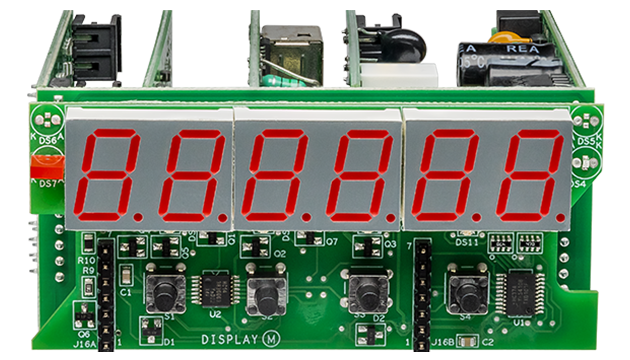
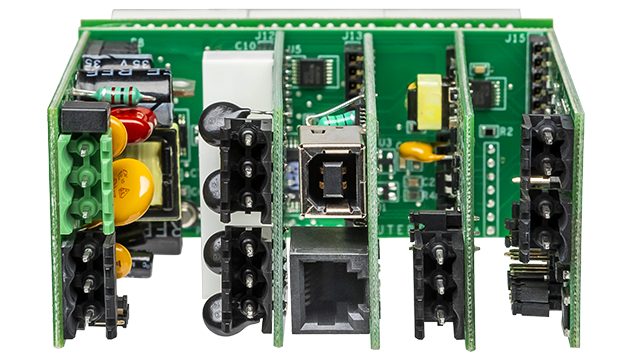
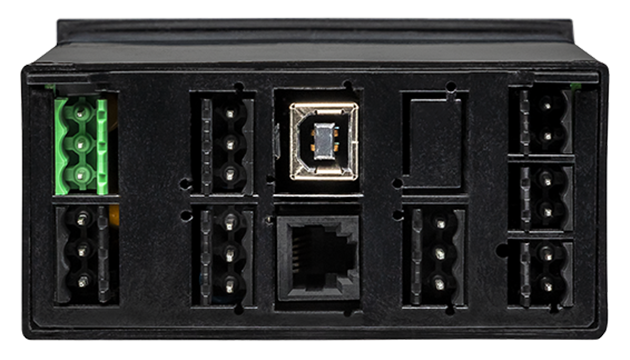
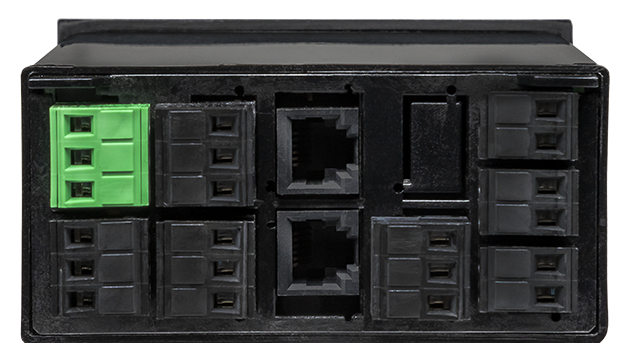
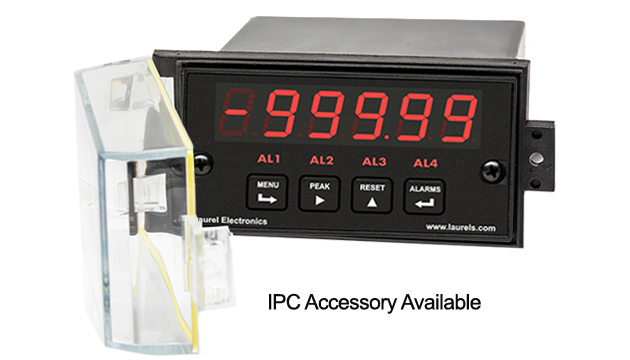
The DC signal conditioner board can used in lieu of the load cell signal conditioner board, be set to ratiometric operation, and be used with the meter's 5 Vdc or 10 Vdc excitation. It's most sensitive full-scale range is ±200 mV with 10 µV resolution, while the load cell signal conditioner board offers most sensitive ranges of ±20 mV and ±50 mV, both with 1 µV resolution. Meters with both boards offer an accuracy of 0.01% of full scale ± 2 counts.
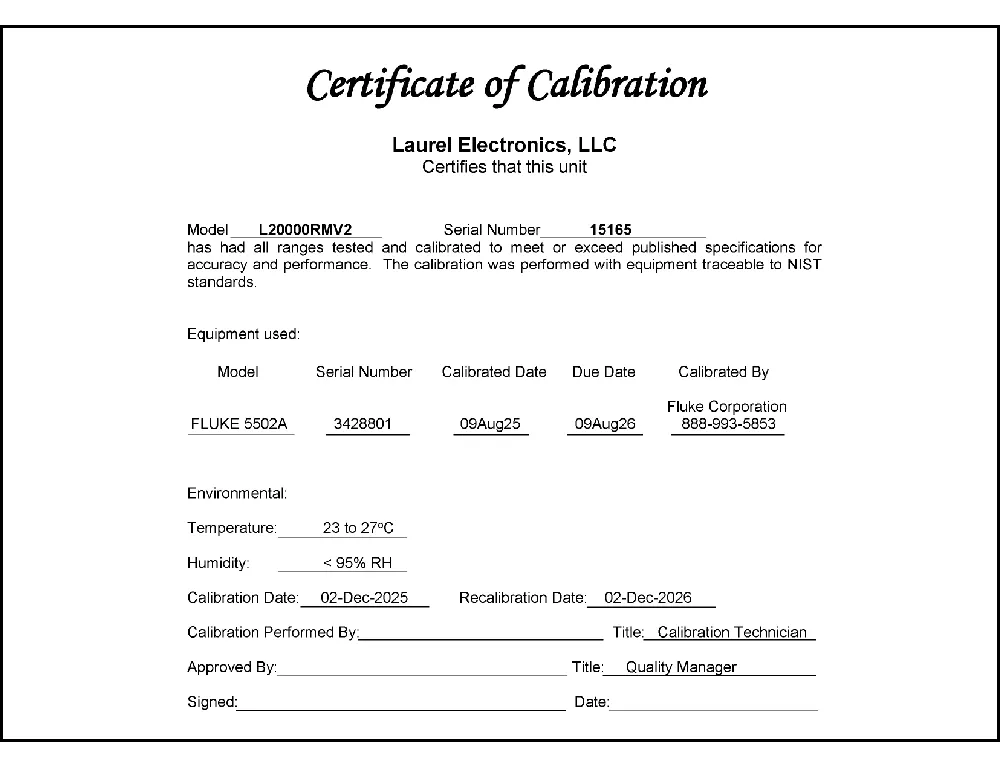
All signal conditioner board ranges are factory-calibrated, with calibration factors for each range securely stored in an onboard EEPROM. These factors can be scaled via software to accommodate external shunts, enabling field replacement of signal conditioner boards without necessitating recalibration of the associated digital panel meters. For optimal accuracy, factory recalibration is recommended annually. All Laurel Electronics instruments undergo factory calibration using the industry-leading Fluke calibrators, which are recalibrated yearly and certified traceable to national standards, ensuring the highest level of precision and reliability.
Scaling is from -99,999 to +99,999 (five full digits) with any decimal point to display readings in engineering units, such as PSI. Three scaling methods are user selectable: scale and offset, two-point method, and system-level calibration using actual transducer signals.
Meter accuracy in ratiometric bridge operation is 0.01% of reading ± 2 counts. Custom curve linearization, which is available with the optional Extended main board, can extend the working range of load cells. Custom curve linearization also allows greater accuracy to be achieved with lower cost, less linear load cells.
A built-in isolated excitation supply can provide up to 120 mA of current at 10V to power four 350-ohm load cells in parallel. The meter operates in a ratiometric mode to eliminate errors due to supply variations. When excitation sense inputs are used in 6-wire connection, the meter compensates for variation in resistance of the transducer leads, thereby allowing long cable runs.
Display & Setpoint Functions for Weighing Applications
Easy USB-C Programming: Configure Laureate digital panel meters through the front-panel USB-C port with Laurel’s free Instrument Setup Software for Windows. Meters with a data interface board can also be programmed through that interface. The software shows only the settings that apply to your installed option boards, and configurations can be saved to the meter, a PC, a file server, or a USB thumb drive. Laurel’s free Instrument Setup Software can also be used for light-duty data collection.
Easy scale calibration is achieved using a simple two-point calibration method. First, the desired LO IN reading is set to 0, and the desired HI IN reading is set to a desired value. With no weight on the scale, a button is pushed for LO IN. With a known weight on the scale, that button is pushed again for HI IN. The meter then automatically computes scale and offset for readout up to five digits in weight units.
High read rate of up to 50 or 60 conversions per second, the Laureate™ Digital Panel Meters use a Concurrent Slope (US Pat. 5,262,780) analog-to-digital conversion to integrate signals over a full power line cycle (50 Hz or 60 Hz). This read rate enables peak and valley capture, real-time computer interfacing, and control applications. Peak and valley values are automatically captured and can be viewed using Laurel’s free Instrument Setup Software (compatible with Windows PCs) or transmitted as serial data.
Scale and offset can be provided by either of two user-selectable methods:
Peak and valley values are automatically captured. These may be displayed via a front panel pushbutton command or control signal at the rear connector, or be transmitted as serial data.
Two rear panel control Inputs (CMOS/TTL levels, logic 0 = tied to digital ground, logic 1 = open) or dry contacts that can be set to control / activate 14 meter commands.
An (isolated) 5, 10, 12, or 24 Vdc excitation output is standard to power transducers or two-wire transmitters. Ratiometric operation, which automatically compensates for changes in the applied excitation, is jumper selectable for applications, such as bridges, where the signal to be measured is proportional to the excitation level.
All boards are isolated from meter and power grounds. Optional Plug-in-Play boards for communications and control include Ethernet, WiFi, serial communication boards, dual or quad relay boards, and an analog output board. Laureates may be powered from 85-264 Vac or optionally from 12-32 Vac or 10-48 Vdc. The display is available with bright red or green 0.56" (14.2mm) high LED digits. The 1/8 DIN case meets NEMA 4X (IP65) specifications from the front when panel mounted. Any setup functions and front panel keys can be locked out for simplified usage and security. A built-in 5, 10, 12, or 24 Vdc excitation supply can power transducers, eliminating the need for an external power supply. All power and signal connections are via UL / VDE / CSA rated screw clamp plugs.
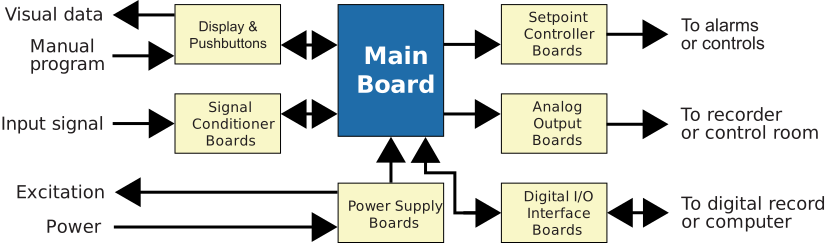
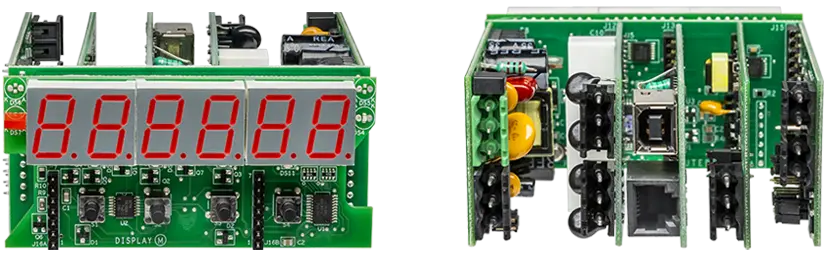
The design of the Laureate™ Series is modular for maximum flexibility at minimum cost. All boards are isolated from meter and power grounds. The base configuration for a panel meter or counter consists of a main module (with computer and plug-in display boards), a power supply board, and a signal conditioner board. Optional plug-in-play boards include an isolated setpoint controller board, an isolated analog output board, and an isolated digital interface board. Modular design and a choice of plug-in options allow the Laureate to be customized for a broad range of applications from simple monitoring to control and computer interface. There can be up to five plug-in boards in a 1/8 DIN Laureate.
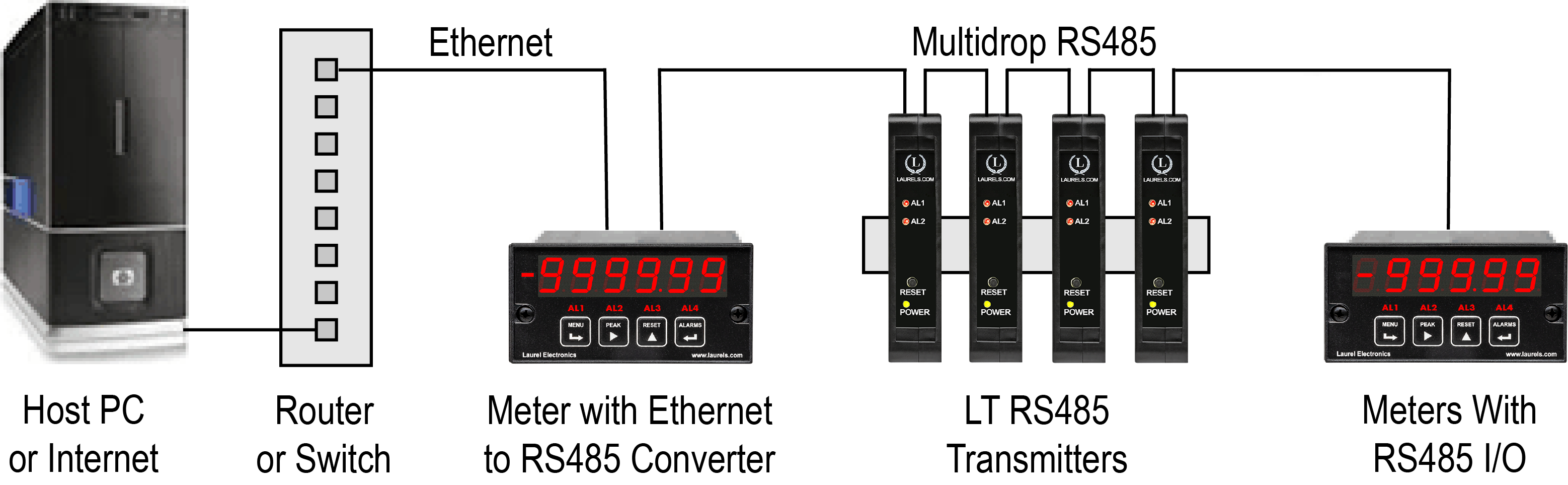
Up to 30 Laureate Digital Panel Meters and/or LT Transmitters can be configured for RS485 and daisy-chained to an LT Transmitter using Laurel’s High Speed Ethernet-to-RS485 converter board for seamless LAN integration. Alternatively, Laurel LTE series Ethernet transmitters can connect directly to a LAN via an Ethernet cable. Setup for both configurations is streamlined using Laurel’s free Instrument Setup Software, which simplifies node discovery and transmitter configuration.
Laureate Digital Panel Meters can be equipped with Laurel communication boards to support various interfaces and protocols. These include serial interfaces with ASCII or Modbus RTU protocols, and Ethernet interfaces with web access, ASCII, or Modbus TCP/IP protocols, ensuring versatile connectivity for your commercial applications.
| Full-Scale Input | Input Impedance | Zero Adjust | Span Adjust | Error at 25°C |
|---|---|---|---|---|
| ± 200.00 mV | 1 GΩ | |||
| ± 2.0000 V | 1 GΩ | -99,999 | 0 to | 0.01% FS |
| ± 20.000 V | 10 MΩ | to +99,999 | ±99,999 | ± 2 counts |
| ± 20.000 mA | 10 Ω | |||
| Recalibration: All ranges are calibrated at the factory. Recalibration is recommended every 12 months. | ||||
| Display | |
|---|---|
| Readout | 5 LED digits, 7-segment, 14.2 mm (.56"), red or green |
| Range | -99999 to +99999 |
| -999990 to +999990 (with fixed selectable right-hand zero) | |
| Rounding | Count by 1, 2, 5, 10, 20, 50, 100 |
| Indicators | Minus sign, 4 red LED lamps |
| Front-Panel Port | USB-C (programming & data) |
| Protocols | Laurel Custom ASCII (serial), Modbus RTU (serial), Modbus TCP (Ethernet or WiFi) |
| Digital addresses | 247 (Modbus), 31 (Laurel Custom ASCII) |
| Isolation | 250V rms working, 2.3 kV rms per 1 min test |
| Accuracy | |
| Error at 25°C | 0.01% FS ± 2 counts |
| Span tempco | 0.0015% of reading/°C |
| Zero tempco | 0.1 µV/°C (use auto-zero when temperature changes) |
| Calibration Method | 2 points using zero weight and known weight |
| Noise Rejection | |
| CMR, DC to 60 Hz | 130 dB |
| NMR at 50/60 Hz | 90 dB with min filtering |
| A-to-D Conversion | |
| Technique | Concurrent Slope (Pat 5,262,780) |
| A-to-D rate | 60/s at 60 Hz, 50/s at 50 Hz |
| Output update | 56/s at 60 Hz, 47/s at 50 Hz |
| Display update | 3.5/s at 60 Hz, 3/s at 50 Hz |
| Power Supply Boards (one required) | |
| Voltage, standard | 85-264 Vac or 90-300 Vdc |
| Voltage, optional | 12-32 Vac or 10-48 Vdc |
| Frequency | DC or 47-63 Hz |
| Power consumption (typ. with four 350Ω load cells at 10V) | 2.4W @ 120 Vac, 2.7W @ 240 Vac, 2.5W @ 10 Vdc, 2.6W @ 20 Vdc, 2.75W @ 30 Vdc, 3.0W @ 40 Vdc, 3.35W @ 48 Vdc |
| Power Isolation | 250V rms working, 2.3 kV rms per 1 min test |
| Excitation Output (standard) | |
| 5 Vdc | 5 Vdc ± 5%, 100 mA (jumper selectable) |
| 10 Vdc | 10 Vdc ± 5%, 120 mA (jumper selectable) |
| 12 Vdc | 12 Vdc ± 5%, 100 mA (jumper selectable) |
| 24 Vdc | 24 Vdc ± 5%, 50 mA (jumper selectable) |
| Output Isolation | 50 Vdc from signal ground |
| Ratiometric operation | Automatically compensates for changes in excitation level. |
| Analog Output Board (one optional) | |
| Output levels | 4-20 mA, 0-20 mA, 0-10V |
| Current compliance | 2 mA at 10V ( > 5 kΩ load) |
| Voltage compliance | 12V at 20 mA (< 600 Ω load) |
| Scaling | Zero and full scale adjustable from -99999 to +99999 |
| Resolution | 16 bits (0.0015% of full scale) |
| Isolation | 250V rms working, 2.3 kV rms per 1 min test |
| Relay Output Boards (one optional) | |
| Dual magnetic relays | 2 Form C, 10A max, 440Vac or 125Vdc max, 2500VA or 300W |
| Quad magnetic relays | 4 Form A (NO), 10A max, 440Vac or 125Vdc max, 2500VA or 300W |
| Dual solid state relays | 2 Form A (NO), AC or DC, 0V - 400V, 120Ma, 35Ohms (max at On-State) |
| Quad solid state relays | 4 Form A (NO), AC or DC, 0V - 400V, 120Ma, 35Ohms (max at On-State) |
| Relay commons | Isolated commons for dual relays or each pair of quad relays |
| Relay isolation | 250V rms working, 2.3 kV rms per 1 minute test |
| Relay latching modes | Latching or non-latching |
| Relay active modes | Active on or off, active high or low |
| Hysteresis modes | QA passband mode, split hysteresis, span hysteresis |
| Communication Boards (one optional) | |
| Board selections | L232 (RS232), L485 (RS485, dual RJ11 connectors), LMOD (RS485, dual RJ45 connectors, not for new design), LUSB (USB-C), LUSB485 (USB-C-to-RS485 gateway), LNET (Ethernet), LNET485 (Ethernet-to-RS485 gateway), LNET1 (Ethernet + USB-C), LNET1485 (Ethernet + RS485 slave or gateway), LWIFI (WiFi + USB-C) internal antenna, LWIFIX (WiFi + USB-C) external antenna, LWIFI485 (WiFi + USB-C + RS485 slave or gateway) internal antenna, LWIFIX485 (WiFi + USB-C + RS485 slave or gateway) external antenna |
| Protocols | Modbus RTU, Modbus ASCII, Modbus TCP (Ethernet), Laurel ASCII |
| Digital addresses | 247 (Modbus), 31 (Laurel ASCII), |
| Isolation | 250V rms working, 2.3 kV rms per 1 min test |
| Environmental | |
| Operating temperature | -40°C to 70°C (-40°F to 158°F) |
| Storage temperature. | -40°C to 85°C (-40°F to 185°F) |
| Relative humidity | 95% at 40°C, non-condensing |
| Protection | NEMA-4X (IP-65) when panel mounted |
| Mechanical | |
| Enclosure | 1/8 DIN, high impact plastic, UL 94V-0, color: black |
| Mounting | 1/8 DIN panel cutout required: 3.622" x 1.772" (92 mm x 45 mm). |
| Dimensions | 4.68" x 2.45" x 5.64" (119 mm x 62 mm x 143 mm) (W x H x D) |
| Maximum panel thickness | 4.5 mm (0.18") |
| Tightening Torque - Connectors | Screw terminal connectors: 5 lb-in (0.56 Nm) |
| Tightening Torque - Pawls | Digital Panel Meter Case Pawls: 5 lb-in (0.56 Nm) |
| Weight of base meter | 210 g (7.4 oz) typical (DPM, counter, timer, 6-digit remote display) |
| Weight of option boards | 30 g (1.0 oz) typical per board (analog output, relay output, communications) |
| General | |
| Programming Methods | Four front panel buttons or via Laurel's free Instrument Setup Software, which runs on a PC under MS Windows. |
| Security | Lockout options include using the front panel buttons, the free Instrument Setup Software, or a hardware jumper. |
| Warranty | 3 years parts & labor |
| Recalibration: All ranges are calibrated at the factory. Recalibration is recommended every 12 months. | |
|
|
| 1/8 DIN Digital Panel Meters | DIN Rail Transmitters |
Free Downloadable Windows-based Instrument Setup (IS) software (Data Interface Board Required) for use with our programmable Digital Panel Meters, Scale Meters, Counters, Timers, Remote Displays, and Transmitters, are an easy method to set up Laureate 1/8 DIN digital panel meters, counters, timers, remote displays, and DIN-rail transmitters, as explained in the Instrument Setup Software Manual. Laureate 1/8 DIN instruments can also be set up from the front panel, as explained in their respective Owners Manuals. Instrument Setup software is of benefit whether or not the PC is connected to the instrument.
Set User Account Control (UAC) of MS Windows to "Never notifiy me" so that Instrument Setup Software can create directories. The UAC change screen can be reached as follows:
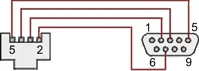
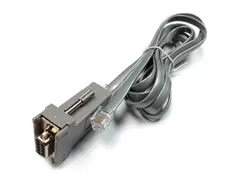
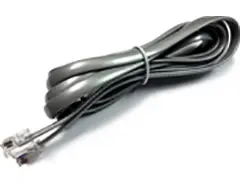
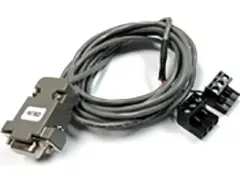
RJ11-to-DB9 cable with rear view of DB9 connector to PC
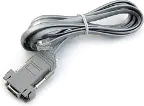
RS232 cable, meter to PC, P/N CBL01
Laureate 1/8 DIN Laureate instruments must be equipped with a serial communications board and be connected to the computer via a serial communications cable. The connection can be via RS232, RS485, USB or Ethernet. Following setup, the serial communications board may be removed from the instrument if desired. The wiring of the RS232 cable is illustrated above with end views of the two connectors.
Laureate LT Series transmitters come standard with a 3-wire serial interface, which can be jumpered for RS232 or RS485.
Laureate LTE Series transmitters come standard with an Ethernet interface.
Click on any of the reduced screens below for a full-size screen view, then click on the Back button of your browser to return to this page. The screens examples below are for a fully-loaded Series 2 Digital Panel Meter (DPM), which is connected to the PC via RS232. If the meter is a Series 1 meter (pre-2007), this is sensed by the software, and somewhat different screens are brought up. Please see Series 1 setup screens.


From the Main Menu, click on Readings if your PC is connected to the meter. A pull-down menu then offers three choices: List, Plot and Graph.


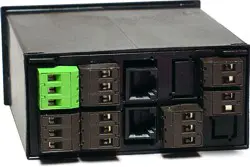


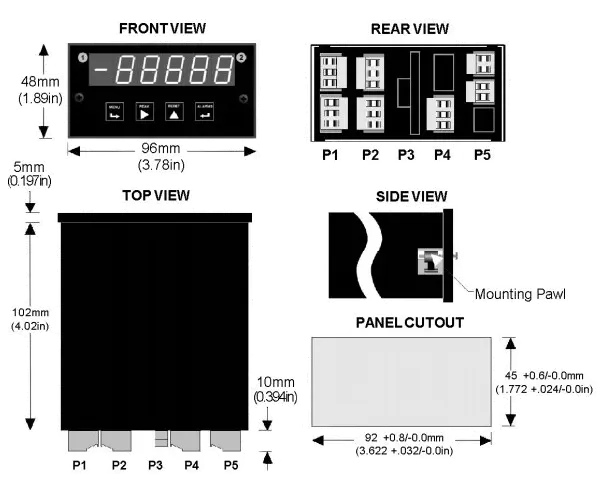
Maximum panel thickness: 4.5 mm (0.18")
Weight of base meter: 210 g (7.4 oz) typical (DPM, counter, timer, 6-digit remote display)
Weight of option boards: 30 g (1.0 oz) typical per board (analog output, relay output, communications)
Tightening Torque - Connectors: Screw terminal connectors: 5 lb-in (0.56 Nm)
Tightening Torque - Pawls: Digital Panel Meter Case Pawls: 5 lb-in (0.56 Nm)
Dimensioned CAD assembly drawings in EPRT, STEP, x_t. dwg, pdf file formats: Laureate-meter-case.zip (zipping prevents browser from opening CAD files as text files).
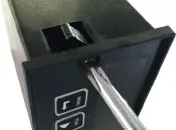 Slide the meter into a 45 x 92 mm 1/8 DIN panel cutout. Ensure that the provided gasket is in place between the front of the panel and the back of the meter bezel.
The meter is secured by two pawls, each held by a screw, as illustrated. Turning each screw counterclockwise extends the pawl outward from the case and behind the panel. Turning each screw clockwise further tightens it against the panel to secure the meter.
Slide the meter into a 45 x 92 mm 1/8 DIN panel cutout. Ensure that the provided gasket is in place between the front of the panel and the back of the meter bezel.
The meter is secured by two pawls, each held by a screw, as illustrated. Turning each screw counterclockwise extends the pawl outward from the case and behind the panel. Turning each screw clockwise further tightens it against the panel to secure the meter.
Turning each screw counterclockwise loosens the pawl and retracts it into its well. This position allows installed meter to be removed from their panel, or new meters to be installed in a panel. Do not remove the screws from their pawls. Doing so would cause the screw and pawl to fall off and likely get lost. Do not overtighten so as not to damage the plastic parts.
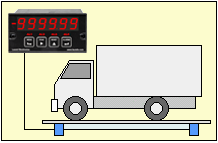
The Laureate weight meter power all four 350 ohm load cells of the scale with its 10 V, 120 mA isolated excitation output. Six-wire connection eliminates the effects of lead resistance and allows long cable runs from the control room to the scale.
The five-digit meter can be scaled to display truck weight up to 99,999 lbs with 1 lb resolution or 999,990 lbs with 10 lb resolution. Accuracy is 0.01% of full scale at 25°C. To avoid the effects of system-level noise, different filter settings as well as "count by" of 1, 2, 5, 10, 20, 50 or 100 with rounding are selectable.
To read out net weight of the load, the truck can first be weighed empty, and this weight can be entered as tare at the push of a button in an auto-tare mode. Or the nominal tare value of the truck can be entered manually. Display of net weight or gross weight is at the push of a button. The gross weight and net weight can be alarmed, be transmitted to a computer via RS232 or RS485, or be transmitted via a 4-20 mA analog signal.
CAL-Analog
Certificate of Calibration
$65.00DLS-XLOG2
XLog2 Data logging Software
$495.00IPC
Digital Panel Meter Splashproof Cover
$55.00CASE1
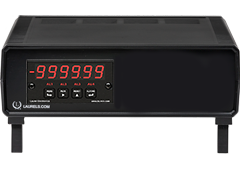
Digital Panel Meter Benchtop Case1
$150.00CASE2
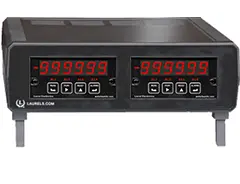
Digital Panel Meter Benchtop Case2
$150.00BOX1
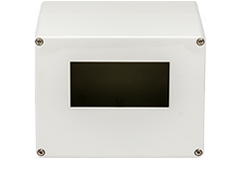
DPM Enclosure Nema-4x Box1
$180.00BOX2
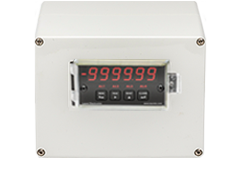
DPM Enclosure Nema-4x BOX2
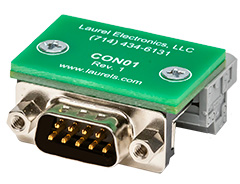
$230.00CON01
CON01 Connector
$75.00CBL6
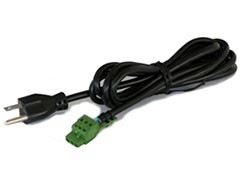
6-foot Power Cable
$41.00CBL12
12-foot Power Cable
$47.00CBL01
RS232 Cable for Meters
$35.00CBL02
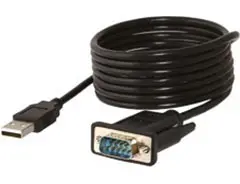
USB-to-RS232 Adapter Cable
$47.00CBL04
RS232 Cable for LT Transmitters
$47.00CBL05
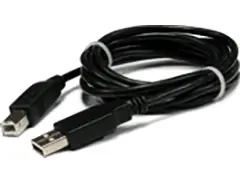
USB Data Cable for Meters
$47.00CBL06
USB-to-RS485 Adapter Cable
$47.00CBL07
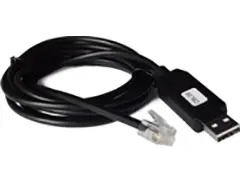
USB Programming & Data Cable
$47.00CBL08
RS485 Splitter Cable
$33.00In industrial and commercial settings where precise measurement is crucial, Digital Panel Meters play a vital role. Among the various types of Digital Panel Meters, 1/8 DIN Digital Panel Meters stand out due to their compact size and versatile functionality. This section explores what 1/8 DIN Digital Panel Meters are, their significance in scale and weighing applications, and the features that make them indispensable in these settings.
1/8 DIN Digital Panel Meters are measurement devices that fit into standard 1/8 DIN cutouts, which typically measure 1.75 inches by 3.62 inches (44.5 mm by 92 mm). The term "DIN" refers to the Deutsches Institut für Normung, a German standards organization, and is used to define the standard sizes for various types of instrumentation, including Digital Panel Meters. The 1/8 DIN size is one of the most common standards used for Digital Panel Meters due to its compact size, allowing these instruments to fit into limited spaces while providing essential measurement capabilities.
In scale and weighing applications, accuracy and reliability are paramount. 1/8 DIN Digital Panel Meters are designed to interface with load cells and other sensors to provide real-time weight measurements. These Digital Panel Meters are often used in various industries, including manufacturing, food processing, logistics, and pharmaceuticals, where precise weight measurements are critical.
Digital Panel Meters are essential in various industrial applications, providing precise and real-time data display. Among these, 1/8 DIN Digital Panel Meters are a popular choice, particularly in scale and weighing applications. 1/8 DIN Digital Panel Meters are compact devices, typically measuring 96 x 48 mm, making them ideal for various settings where space and functionality are key considerations.
1/8 DIN Digital Panel Meters are versatile and reliable tools used in a wide range of scale and weighing applications across various industries. Their compact size, precise measurement capabilities, and ease of integration make them an ideal choice for environments where accurate weight data is essential. From industrial manufacturing to retail settings, these Digital Panel Meters play a critical role in ensuring accuracy, safety, and efficiency in weight measurement processes.
The zero function sets the meter's baseline reading to true zero with the scale empty and unloaded. The tare function subtracts the weight of a container or packaging already on the scale, so the displayed reading shows only the weight of the product added afterward. Both are standard features on Digital Panel Meters configured for weighing, but they serve different purposes and are used at different points in a weighing cycle.
Yes. Digital Panel Meters for scale and weighing applications commonly include programmable setpoints tied to relay outputs, allowing the meter to trigger an alarm, close a valve, or stop a conveyor once the displayed weight crosses a defined threshold — useful for batching, overfill protection, and checkweighing.
A single meter input is built for one combined bridge signal. Multiple load cells — for example, four corners of a platform scale — are typically wired into a summing junction box first, which combines their individual signals into one signal the meter reads as total weight, rather than being wired directly in parallel into the meter.
Some models can be configured and certified for legal-for-trade use, where the scale is used to determine a price based on weight, such as retail produce or meat scales. Legal-for-trade applications require specific certification and, once certified, are usually sealed to prevent recalibration outside of an authorized service call — this is a separate requirement from general industrial or laboratory weighing accuracy.
Digital filtering options built into these meters — such as adjustable averaging or adaptive filter time constants — are designed to smooth out an unstable reading caused by vibration, air currents, or electrical noise near the scale. Selecting a longer filter time constant trades a small amount of response speed for a steadier displayed reading.
Yes. Many Digital Panel Meters in this category support serial communication such as RS-232 or RS-485, along with an optional analog output, allowing weight data to be sent to a PLC, data logger, printer, or SCADA system rather than only being read locally on the display.
Manual tare requires the operator to press a button to zero out a container's weight each time. Auto-tare, where available, automatically captures and subtracts the container weight based on a triggered event (such as a contact closure) without requiring the operator to press anything, which is useful in repetitive, automated batching or filling operations.
Accuracy specifications vary by model, but Digital Panel Meters in this category are commonly rated to within a fraction of a percent of full scale, with resolution fine enough to detect small changes in load. The overall system accuracy also depends on the load cell itself, so the meter's rated accuracy should be considered alongside the load cell's own specifications.
Yes. These meters are typically user-scalable, so the raw signal from the load cell can be displayed directly in the engineering unit relevant to the application — pounds, kilograms, grams, tons, or a custom process unit — rather than requiring separate conversion by the operator.
Many models are available with sealed, IP-rated front panels suitable for dusty, humid, or wash-down environments common in food processing and agricultural settings, while the load cells themselves would need a matching environmental rating appropriate to their installation location.
This is commonly diagnosed with a corner load test: placing the same test weight in the center and then in each corner of the platform. A significant difference between corners generally points to a damaged load cell or a warped or improperly shimmed platform mount, rather than a problem with the meter or display electronics.
This error code indicates the weight reading is fluctuating too much for the meter to settle on a stable value, and is most often traced to drafts, vibration from nearby machinery, or something intermittently touching the platform — not a fault with the meter itself. Field guidance generally recommends checking the physical environment around the scale before assuming there's an electronic problem.
A common cause reported in the field is that the weight being tared exceeds the meter's tare range — many meters can only tare out up to a certain percentage of their full-scale capacity, often around 25%. If the container or platform weight is too large a fraction of capacity, the meter may refuse to zero or tare until the excess weight is physically removed.
Yes, particularly for high-precision applications — some load cells and meters need roughly 15 to 30 minutes after power-up to thermally stabilize before their readings are fully accurate. Zeroing or calibrating a scale immediately after power-up, before it has stabilized, is a commonly cited cause of readings that drift over the first half hour of use.
A wire seal or tamper sticker on a junction box or indicator typically indicates the system has been certified for legal-for-trade use — meaning its calibration is regulated because it's used to determine a price based on weight. Breaking that seal generally voids the certification and requires a licensed service technician to reseal and recertify the scale, so it shouldn't be opened for routine troubleshooting.
Yes — running a load cell signal cable alongside power cables for motors, welders, or other heavy equipment is a frequently cited source of erratic readings. Rerouting the signal cable away from those power lines, or switching to shielded cable, is a standard first step recommended before suspecting a hardware fault.