DC Voltage and Current Input Signal
Accuracy of 0.01% of reading ± 2 counts. High read rates at up to 60 or 50 conversions per second.
DC Voltage and Current Input Signal
Accuracy of 0.01% of reading ± 2 counts. High read rates at up to 60 or 50 conversions per second.
Load Cell, Strain Gauge and Microvolt
Accuracy of 0.01% of reading ± 2 counts. High read rates at up to 60 or 50 conversions per second.
Scale Transmitter for Weighing
Accuracy of 0.01% of reading ± 2 counts. High read rates at up to 60 or 50 conversions per second.
Process & Ratiometric Signals
Accuracy of 0.01% of reading ± 2 counts. High read rates at up to 60 or 50 conversions per second.
True RMS AC Voltage & Current
Accuracy of 0.01% of reading ± 2 counts. High read rates at up to 60 or 50 conversions per second.
Thermocouple Temperature
Accuracy of 0.01% of reading ± 2 counts. High read rates at up to 60 or 50 conversions per second.
RTD Temperature
Accuracy of 0.01% of reading ± 2 counts. High read rates at up to 60 or 50 conversions per second.
$334.00Resistance in Ohms
Accuracy of 0.01% of reading ± 2 counts. High read rates at up to 60 or 50 conversions per second.
Frequency, Rate, or Period
Time Base Crystal calibrated to ±2 ppm
Span tempco ±1 ppm/°C (typ)
Long-term Drift ±5 ppm/year (typ)
Rate, Totalizer with Functions
Time Base Crystal calibrated to ±2 ppm
Span tempco ±1 ppm/°C (typ)
Long-term Drift ±5 ppm/year (typ)
Pulse Input Totalizer
Time Base Crystal calibrated to ±2 ppm
Span tempco ±1 ppm/°C (typ)
Long-term Drift ±5 ppm/year (typ)
Analog Input Totalizer
Time Base Crystal calibrated to ±2 ppm
Span tempco ±1 ppm/°C (typ)
Long-term Drift ±5 ppm/year (typ)
Batch Controller Pulse Input
Time Base Crystal calibrated to ±2 ppm
Span tempco ±1 ppm/°C (typ)
Long-term Drift ±5 ppm/year (typ)
Batch Controller Analog Input
Time Base Crystal calibrated to ±2 ppm
Span tempco ±1 ppm/°C (typ)
Long-term Drift ±5 ppm/year (typ)
AC Phase Angle and Power Factor
Time Base Crystal calibrated to ±2 ppm
Span tempco ±1 ppm/°C (typ)
Long-term Drift ±5 ppm/year (typ)
Quadrature Encoder Input
Time Base Crystal calibrated to ±2 ppm
Span tempco ±1 ppm/°C (typ)
Long-term Drift ±5 ppm/year (typ)
Digital Stopwatch and Timer
Time Base Crystal calibrated to ±2 ppm
Span tempco ±1 ppm/°C (typ)
Long-term Drift ±5 ppm/year (typ)
Time Interval of Periodic Events
Time Base Crystal calibrated to ±2 ppm
Span tempco ±1 ppm/°C (typ)
Long-term Drift ±5 ppm/year (typ)
Duty Cycle and (PWM)
Time Base Crystal calibrated to ±2 ppm
Span tempco ±1 ppm/°C (typ)
Long-term Drift ±5 ppm/year (typ)
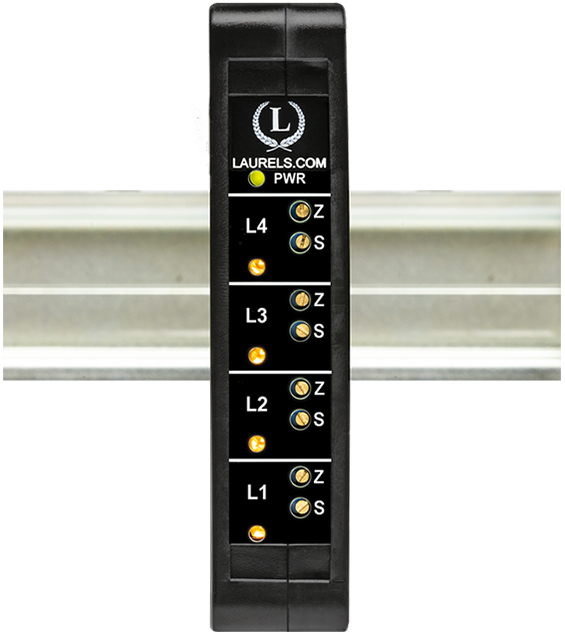
QLS Quad Current Loop Splitter
Drives four (4) independent 4-20 mA,
1-5V, 0-5V or 0-10V output signal
proportional to input.
In industrial automation and control systems, reliable and accurate signal transmission is crucial. An LT DIN Rail Analog Transmitter with Serial Data Communication and Analog Outputs for DC Voltage Input Signal is a specialized device designed to enhance signal processing and data communication in various applications. This article delves into the specifics of what this device is, how it works, and its importance in industrial settings.
An analog transmitter is a device that converts a physical signal, such as voltage or current, into a standardized output that can be easily measured, monitored, and controlled. The signal is typically converted into a form suitable for transmission over long distances or for further processing.
The "LT" in the device name often indicates a series or specific model type. A DIN rail is a metal rail of a standardized type widely used for mounting circuit breakers and industrial control equipment inside equipment racks. The LT DIN Rail mounting allows for easy installation of the transmitter in a control panel, ensuring it is securely fastened and accessible for maintenance.
The input signal in this context refers to a DC (Direct Current) voltage signal that the transmitter is designed to measure. DC voltage signals are commonly used in various industrial applications, including sensors, transducers, and other measurement devices. The transmitter receives this input signal and processes it for further action.
Once the DC voltage signal is received and processed, the transmitter provides an analog output. This output is a continuous signal that represents the measured voltage. Analog outputs are vital for real-time monitoring and control, as they provide a smooth and continuous signal that accurately reflects the measured input.
One of the key features of this transmitter is its ability to communicate data serially. Serial communication refers to the process of sending data one bit at a time, sequentially, over a communication channel. This feature allows the transmitter to interface with other devices, such as programmable logic controllers (PLCs), computers, or other data acquisition systems. The inclusion of serial data communication enables easy integration into larger control systems and facilitates remote monitoring and control.
The LT DIN Rail Analog Transmitter with Serial Data Communication and Analog Outputs is widely used in industries such as manufacturing, energy, and process control. Some key benefits include:
An LT DIN Rail Analog Transmitter with serial data communication and analog outputs is a specialized piece of industrial equipment used in various applications where precise measurement, monitoring, and transmission of DC voltage signals are required. These devices are particularly valuable in environments that demand high accuracy and reliability in signal processing, such as automation systems, process control, and energy management. Below are some of the key areas where these transmitters are commonly employed:
In industrial automation, maintaining accurate control over machinery and processes is crucial. The LT DIN Rail Analog Transmitter can convert DC voltage signals from sensors and transmit them as analog outputs or digital data through serial communication. This functionality is essential for controlling motors, actuators, and other equipment, ensuring smooth and efficient operation.
Process control systems are widely used in industries such as chemical processing, oil and gas, and water treatment. The LT DIN Rail Analog Transmitter is used to convert and transmit signals from various sensors (e.g., pressure, temperature, or flow sensors) to the control system. Accurate signal transmission is critical for maintaining optimal operating conditions and preventing costly downtime or damage.
In energy management systems, monitoring and controlling energy usage is key to improving efficiency and reducing costs. The LT DIN Rail Analog Transmitter is often used to measure and transmit DC voltage signals from power meters, solar panels, or battery systems to a central management system. This data can be used to optimize energy consumption and ensure the stability of power distribution.
Building automation systems (BAS) rely on accurate data from various sensors to manage heating, ventilation, air conditioning (HVAC), lighting, and security systems. The LT DIN Rail Analog Transmitter is used to convert and transmit DC voltage signals from sensors, ensuring that the building's systems operate efficiently and respond to changes in real-time.
Remote monitoring and telemetry systems require reliable data transmission from various remote sensors to a central control or monitoring station. The LT DIN Rail Analog Transmitter can convert and transmit these signals over long distances using serial communication, making it ideal for applications such as environmental monitoring, pipeline monitoring, and remote infrastructure management.
In laboratory and research settings, precise measurement and data logging are essential. The LT DIN Rail Analog Transmitter is used to convert and transmit voltage signals from experimental setups to data acquisition systems. The ability to handle both analog outputs and serial data communication makes it versatile for various experimental requirements.
The LT DIN Rail Analog Transmitter with serial data communication and analog outputs for DC voltage input signals is a versatile tool used across multiple industries. Its ability to accurately convert and transmit signals makes it indispensable in industrial automation, process control, energy management, building automation, remote monitoring, and laboratory research. As technology advances, the demand for reliable and precise signal transmission devices like the LT DIN Rail Analog Transmitter is likely to grow, further expanding its range of applications.
An LT DIN Rail Analog Transmitter is a specialized electronic device designed for industrial and automation applications, providing an interface between DC current input signals and various output forms, including analog outputs and serial data communication. These transmitters are essential components in systems where precise signal conversion, transmission, and monitoring are required.
DIN Rail: A DIN rail is a standardized metal rail used for mounting industrial control equipment inside equipment racks. The "LT" in LT DIN Rail Transmitter refers to a specific model or series designed to fit this rail, ensuring easy installation and integration into existing systems.
Analog Transmitter: This device converts physical input signals (like DC current) into standardized output signals. These signals can then be used by other equipment for monitoring, control, or further processing.
The input signal for these transmitters is typically a DC current, such as 4-20 mA. This range is common in industrial environments because it's resistant to signal loss over long distances and provides a straightforward method to represent various process variables like temperature, pressure, or flow.
Analog outputs are one of the key features of these transmitters. They allow the converted signal to be sent to other devices in a format that is easily understood and processed. The analog output is typically a standard voltage or current signal, such as 0-10 V or 4-20 mA. These signals can be used to control actuators, relays, or input into a PLC (Programmable Logic Controller) or a data acquisition system.
Another crucial aspect of an LT DIN Rail Analog Transmitter is its ability to transmit data via serial communication. Serial communication involves sending data one bit at a time over a communication channel or bus. This method is reliable for transmitting data over long distances with minimal interference.
In modern industrial settings, precise measurement and control of electrical signals are critical for ensuring the efficiency and safety of various processes. Among the essential tools for this purpose is the LT DIN Rail Analog Transmitter, which combines serial data communication and analog outputs for DC current input signals. This versatile device plays a pivotal role in numerous applications across various industries.
In industrial automation, maintaining accurate control over processes such as temperature, pressure, and flow is crucial. The LT DIN Rail Analog Transmitter is widely used in these environments to convert DC current signals from sensors into standardized analog signals or digital data. This conversion allows for seamless integration with Programmable Logic Controllers (PLCs) and Distributed Control Systems (DCS), facilitating real-time monitoring and control of critical parameters.
Example Applications:
In energy management systems, accurate monitoring of current flow is essential for optimizing power distribution and ensuring the efficient operation of electrical grids. The LT DIN Rail Analog Transmitter is used to measure DC current in power distribution panels, renewable energy systems (such as solar panels), and energy storage systems (like batteries). The transmitter's ability to communicate via serial data and provide analog outputs enables it to interface with energy management systems, allowing for real-time data acquisition and control.
Example Applications:
Building automation systems (BAS) and heating, ventilation, and air conditioning (HVAC) systems rely on precise control of environmental parameters to maintain comfort and energy efficiency. The LT DIN Rail Analog Transmitter can be used to monitor DC current signals from various sensors and transducers, providing the necessary data to control systems for regulating temperature, humidity, and air quality.
Example Applications:
In laboratories and testing environments, precise measurement of electrical parameters is essential for research, development, and quality control. The LT DIN Rail Analog Transmitter is utilized in these settings to convert DC current signals from test equipment into analog or digital data for analysis and recording. This capability makes it a valuable tool for engineers and technicians working on product development, calibration, and testing.
Example Applications:
In the transportation and automotive sectors, monitoring and controlling electrical signals is critical for vehicle performance and safety. The LT DIN Rail Analog Transmitter is used in various applications, from monitoring battery systems in electric vehicles (EVs) to controlling braking systems in trains. Its ability to provide accurate analog outputs and serial data communication makes it ideal for integrating with on-board control systems.
Example Applications:
The LT DIN Rail Analog Transmitter with Serial Data Communication and Analog Outputs for DC Current Input Signal is an indispensable component in a wide range of applications across various industries. Its versatility, precision, and ability to seamlessly integrate with control systems make it a valuable tool for ensuring the efficiency, safety, and reliability of processes in industrial automation, energy management, building automation, test and measurement, and the transportation sector. Whether in a manufacturing plant, a solar power facility, or an electric vehicle, this device plays a crucial role in the modern world of technology and automation.
In the world of industrial automation and instrumentation, precise measurement and signal processing are critical. One of the essential components in this field is the analog transmitter, especially when dealing with signals from load cell strain gauges. In this article, we'll dive into the concept of an LT DIN Rail Analog Transmitter, exploring its function, application, and how it interfaces with load cells through serial data communication and analog outputs.
An LT DIN Rail Analog Transmitter is a specialized device designed to convert low-level microvolt signals from load cell strain gauges into more robust and manageable analog and digital signals. These transmitters are often mounted on DIN rails, which are standardized metal rails used for easy installation of industrial control equipment within electrical enclosures.
Load Cell Strain Gauge Input:
Load cells are sensors used to measure force or weight by converting it into an electrical signal. The strain gauge within the load cell generates a microvolt-level signal proportional to the force applied. The LT DIN Rail Analog Transmitter is designed to accurately read these low-level signals.
Microvolt Signal Sensitivity:
The microvolt signals from strain gauges are extremely small and susceptible to noise and interference. The LT transmitter amplifies these signals, ensuring accurate measurement and reliable transmission.
Analog Output:
Once the microvolt signal is processed, the transmitter converts it into a standard analog output signal, such as 4-20mA or 0-10V. This analog output can be easily read by other industrial equipment, such as programmable logic controllers (PLCs), for further processing and control.
Serial Data Communication:
In addition to analog output, the LT DIN Rail Analog Transmitter can communicate digitally through serial data protocols like RS-485 or RS-232. This feature allows for real-time data monitoring, remote configuration, and integration into more complex industrial systems.
DIN Rail Mounting:
The transmitter is designed for easy installation on a DIN rail, making it convenient to integrate into existing control panels and electrical enclosures. This standardized mounting system simplifies wiring and maintenance.
In industrial and scientific applications, precision and reliability are paramount, particularly when dealing with delicate measurements such as those from load cells and strain gauges. An LT DIN Rail Analog Transmitter equipped with serial data communication and analog outputs is a specialized device designed to handle microvolt input signals from load cells and strain gauges. This article will explore the key areas where such a device is used, emphasizing its critical role in various industries.
An LT DIN Rail Analog Transmitter with serial data communication and analog outputs for load cell and strain gauge microvolt input signals is an indispensable tool across various industries. Its ability to accurately process and transmit delicate signals makes it crucial in applications ranging from industrial automation and structural testing to energy monitoring and medical research. As industries continue to evolve and demand higher precision and reliability, the role of such transmitters will only grow in importance, contributing to advancements in technology and safety across the board.
In industrial settings, precision and reliability are paramount, especially in processes involving weighing and load monitoring. One of the critical components in such systems is the analog transmitter. Specifically, the LT DIN Rail Analog Transmitter with serial data communication and analog outputs is a specialized device designed for weighing applications. This article delves into the functionality, features, and benefits of this type of analog transmitter and its role in industrial weighing systems.
Analog transmitters are devices that convert physical signals, such as weight or pressure, into standardized electrical signals. These signals can then be used for various purposes, including monitoring, control, and data acquisition. In weighing applications, analog transmitters are essential for translating the load cell signals into usable data.
DIN Rail Mounting:
Analog Outputs:
Serial Data Communication:
High Accuracy:
Configurable Settings:
In various industrial and commercial settings, accurate weighing is essential for ensuring product quality, optimizing resource usage, and maintaining regulatory compliance. One critical component in achieving precise weighing measurements is the LT DIN rail analog transmitter with serial data communication and analog outputs. This device is commonly used in weighing applications to convert weight signals from load cells or other sensors into standardized analog signals and digital data for further processing and control. Let's explore the key areas where these transmitters are applied.
In manufacturing and production lines, maintaining consistency in product weight is crucial. The LT DIN rail analog transmitter is integrated with weighing scales or load cells to continuously monitor and transmit weight data. This real-time information allows for immediate adjustments in the production process, ensuring that products meet predefined weight specifications. For example, in the food and beverage industry, it helps in maintaining portion control and reducing material wastage.
Process automation systems rely on accurate and timely data to maintain efficiency and safety. In industries like chemical processing, pharmaceuticals, and petrochemicals, the LT DIN rail analog transmitter plays a vital role by providing precise weight measurements. These measurements are often critical for dosing, mixing, and filling operations. The analog outputs allow for integration with PLCs (Programmable Logic Controllers), while the serial data communication enables remote monitoring and control, making it easier to automate complex processes.
For industries dealing with bulk materials, such as agriculture, mining, and construction, inventory management is a significant challenge. The LT DIN rail analog transmitter is used in weighing systems to monitor stock levels in silos, hoppers, and storage tanks. By transmitting accurate weight data to inventory management systems, companies can optimize stock levels, plan reorders, and prevent overstocking or stockouts. Additionally, in material handling applications, the transmitter ensures that the correct quantities of materials are moved or processed, enhancing overall operational efficiency.
In logistics and distribution centers, accurate weight measurement is essential for calculating shipping costs, complying with transportation regulations, and ensuring the safe handling of goods. The LT DIN rail analog transmitter is used in weighing platforms and conveyor systems to provide real-time weight data. This data is critical for optimizing load distribution, preventing overloading, and ensuring that shipments meet weight requirements. The serial communication capability allows for easy integration with warehouse management systems (WMS) and other digital platforms.
In research and development laboratories, precise measurements are often required for experiments and product testing. The LT DIN rail analog transmitter provides the accuracy and reliability needed for such applications. Whether it's in testing new materials, developing pharmaceuticals, or conducting scientific research, these transmitters ensure that weight measurements are consistent and reliable. The ability to communicate data digitally also allows researchers to log and analyze data more efficiently.
In the energy sector, particularly in power generation and utilities, the LT DIN rail analog transmitter is used in weighing applications for monitoring fuel levels, waste management, and resource allocation. Accurate weight data is crucial for optimizing fuel usage, managing by-products, and ensuring that energy production processes are efficient and sustainable. The robust design of these transmitters ensures they can operate reliably in harsh environments, typical of energy facilities.
The LT DIN rail analog transmitter with serial data communication and analog outputs is a versatile and essential component in modern weighing applications across various industries. Its ability to provide accurate, real-time weight data and communicate with both analog and digital systems makes it invaluable for ensuring product quality, optimizing processes, and maintaining compliance with industry standards. Whether in manufacturing, logistics, or research, these transmitters are fundamental to achieving precise and reliable weighing measurements.
In modern industrial and automation systems, accurate and reliable measurement of electrical parameters is crucial. One such parameter is the True RMS (Root Mean Square) AC voltage, which is essential for monitoring the performance and health of electrical systems. To facilitate this measurement, devices known as LT DIN rail analog transmitters with serial data communication and analog outputs are used. In this article, we will explore what these devices are, how they work, and their importance in various applications.
Before diving into the details of the LT DIN rail analog transmitter, it is important to understand what True RMS AC voltage is. RMS (Root Mean Square) is a statistical measure of the magnitude of a varying quantity and is especially important in AC (Alternating Current) circuits. The RMS value of an AC voltage is equivalent to the value of a DC (Direct Current) voltage that would produce the same power in a resistive load.
True RMS measurement is critical because it provides an accurate representation of the actual power being used, regardless of the waveform shape. Unlike simple average or peak measurements, True RMS accounts for all the variations in the waveform, making it indispensable for systems where precise power calculation is necessary.
An LT DIN rail analog transmitter is a specialized device designed to measure electrical parameters like True RMS AC voltage and convert them into standardized output signals for further processing or monitoring. The "LT" in the name often refers to a specific product line or series from a manufacturer, known for their robustness and accuracy.
These transmitters are typically mounted on a DIN rail, a metal rail of a standard type widely used for mounting circuit breakers and industrial control equipment inside equipment racks. DIN rail mounting makes the installation process straightforward and ensures that the transmitter can be securely attached to a control panel.
True RMS Measurement: As mentioned earlier, True RMS measurement is crucial for accurate power analysis. These transmitters can measure the True RMS value of AC voltage, ensuring that the data being collected is precise.
Analog Outputs: The transmitter converts the measured voltage into an analog signal, typically 4-20 mA or 0-10 V. These standardized signals are easy to interface with other industrial equipment, such as PLCs (Programmable Logic Controllers), SCADA systems, or data loggers.
Serial Data Communication: Many LT DIN rail analog transmitters are equipped with serial communication capabilities, such as RS-485 or Modbus RTU. This feature allows the transmitter to communicate with other devices over a digital network, enabling remote monitoring and control. Serial communication is particularly useful in distributed systems where multiple devices need to be monitored from a central location.
High Accuracy and Reliability: These transmitters are designed to provide high accuracy, typically within ±0.5% or better, and are reliable even in harsh industrial environments. They often include features like temperature compensation, noise filtering, and over-voltage protection.
Compact and Modular Design: The DIN rail mounting system allows for a compact and modular design. Multiple transmitters can be easily mounted side by side on the same rail, saving space and simplifying wiring.
In the realm of industrial automation and control, accurate measurement and reliable data transmission are paramount. An LT DIN Rail Analog Transmitter with Serial Data Communication and Analog Outputs for True RMS AC Voltage is a sophisticated device designed to bridge the gap between analog signals and digital data communication. Here’s a closer look at its applications and significance:
Before delving into its uses, it’s important to understand the core functionalities of this device:
Industrial Automation:
Energy Management:
Building Automation:
Safety and Protection Systems:
Research and Development:
The LT DIN Rail Analog Transmitter with Serial Data Communication and Analog Outputs for True RMS AC Voltage is a versatile and essential tool in various industrial, commercial, and research applications. Its ability to provide precise measurements and integrate seamlessly with digital communication systems makes it invaluable for monitoring, control, and analysis in modern electrical and automation systems. Whether optimizing energy usage, ensuring safety, or supporting research, this device plays a crucial role in maintaining efficiency and reliability in diverse settings.
In modern industrial and commercial settings, accurate measurement and control of electrical parameters are crucial for ensuring efficiency and safety. Among the many tools used for this purpose, LT DIN Rail Analog Transmitters with Serial Data Communication and Analog Outputs for True RMS AC Current stand out as highly effective devices. This article explores what these transmitters are, how they function, and their benefits.
An LT DIN Rail Analog Transmitter is a type of electronic device designed to measure and convert analog signals into usable data. The "DIN Rail" refers to the standardized mounting system used in industrial environments, which allows for easy installation and organization of electronic components.
The LT in the name typically denotes a specific model or series, where "LT" could stand for a manufacturer's designation or a specific technology used in the device.
True RMS (Root Mean Square) measurement is a method used to determine the effective value of an alternating current (AC) signal. Unlike average-responding meters, True RMS devices accurately measure complex waveforms and signals with varying shapes and frequencies. This is particularly important in environments with non-sinusoidal waveforms or distorted signals.
The LT DIN Rail Analog Transmitter is designed to measure AC current with True RMS accuracy, ensuring that the readings are precise and reliable, even in challenging electrical conditions.
Analog outputs are a common feature of these transmitters, providing a continuous voltage or current signal proportional to the measured parameter. This allows for straightforward integration with various control systems, data loggers, or other monitoring equipment. The analog output can be calibrated to represent specific ranges of AC current, making it versatile for different applications.
Serial data communication is another critical feature of LT DIN Rail Analog Transmitters. This functionality enables the transmitter to send data in a sequential manner over a communication channel, typically using protocols like RS-485 or Modbus.
Serial communication facilitates real-time data exchange between the transmitter and other devices or systems, such as programmable logic controllers (PLCs) or centralized monitoring systems. This integration allows for remote monitoring, data analysis, and system control, enhancing overall efficiency and responsiveness.
The use of True RMS measurement ensures high accuracy even in the presence of complex or non-linear AC signals. This reliability is crucial for critical applications where precise current measurement is required for safe and optimal operation.
The analog outputs and serial communication capabilities make these transmitters highly adaptable to various systems and applications. They can be easily integrated into existing setups, allowing for seamless data acquisition and control.
DIN rail mounting simplifies the installation process and saves valuable space in control panels. This standardization also promotes a clean and organized layout, which can reduce maintenance time and improve overall system accessibility.
With serial data communication, users can monitor and analyze real-time data, enabling proactive management of electrical systems. This feature is particularly beneficial for troubleshooting and optimizing system performance.
Introduction
In modern industrial environments, accurate measurement and reliable transmission of electrical parameters are crucial for maintaining operational efficiency and safety. LT DIN Rail Analog Transmitters with serial data communication and analog outputs for True RMS AC current play a vital role in achieving these objectives. This article explores where and how these transmitters are used, highlighting their importance in various applications.
1. Industrial Automation and Control Systems
In industrial automation, accurate monitoring of electrical currents is essential for controlling machinery and ensuring smooth operations. LT DIN Rail Analog Transmitters are used to measure True RMS AC current, providing precise data even in the presence of non-linear loads or fluctuating signals. The transmitters' serial data communication capabilities allow for real-time integration with control systems and data acquisition systems. This enables operators to monitor electrical performance, detect anomalies, and make informed decisions to optimize processes.
2. Power Monitoring and Management
For effective power monitoring and management, utilities and facility managers rely on accurate current measurements to manage energy consumption and prevent overloads. LT DIN Rail Analog Transmitters provide continuous monitoring of AC currents, converting them into standard analog signals or digital data for further analysis. This helps in tracking power usage, assessing the efficiency of electrical systems, and implementing energy-saving measures. The transmitters’ ability to communicate data via serial interfaces facilitates integration with energy management systems for comprehensive power analysis.
3. Building Automation Systems
In building automation systems, maintaining optimal performance of electrical systems is critical for energy efficiency and safety. LT DIN Rail Analog Transmitters are used to monitor current flow in various building systems, such as HVAC (heating, ventilation, and air conditioning) units, lighting systems, and electrical panels. The analog outputs provide real-time data for monitoring and control, while the serial data communication allows for seamless integration with building management systems. This integration enables automated adjustments and enhances the overall efficiency of building operations.
4. Renewable Energy Systems
The rise of renewable energy sources, such as solar and wind power, requires precise monitoring of electrical parameters to ensure system reliability and performance. LT DIN Rail Analog Transmitters are employed in renewable energy systems to measure AC currents generated by solar inverters or wind turbines. The transmitters’ True RMS measurement capability ensures accurate readings even with fluctuating current conditions, while their data communication features facilitate real-time monitoring and integration with renewable energy management systems.
5. Electrical Panel Monitoring
In electrical panels, accurate current measurement is crucial for protecting circuits and ensuring reliable operation. LT DIN Rail Analog Transmitters are installed within panels to continuously monitor the current flowing through circuits. Their analog outputs provide data to panel meters or relay systems, while the serial data communication allows for remote monitoring and diagnostics. This setup helps in identifying potential issues, preventing overloads, and maintaining the integrity of electrical systems.
6. Safety and Diagnostic Applications
In critical safety and diagnostic applications, such as in industrial safety systems or diagnostic equipment, precise current measurement is essential for detecting faults and ensuring operational safety. LT DIN Rail Analog Transmitters offer reliable current measurement and data communication, enabling early detection of issues and prompt response to prevent accidents or system failures. Their ability to provide accurate True RMS measurements ensures reliable performance even in challenging conditions.
Conclusion
LT DIN Rail Analog Transmitters with serial data communication and analog outputs for True RMS AC current are indispensable components in various industrial and commercial applications. Their ability to provide accurate current measurements, coupled with advanced data communication features, enhances monitoring, control, and efficiency across different systems. From industrial automation to renewable energy systems, these transmitters play a crucial role in ensuring optimal performance and safety in modern electrical environments.
In the world of industrial automation and process control, precise measurement and reliable data transmission are crucial. One essential component that meets these needs is the LT DIN Rail Analog Transmitter. This device combines several key functionalities, including serial data communication and analog outputs, making it highly versatile for handling process and ratiometric signals. Let's delve into what makes this transmitter a vital tool in modern industrial settings.
The LT DIN Rail Analog Transmitter is an electronic device designed to convert various types of input signals into standardized analog outputs. It is typically mounted on a DIN rail, which is a standardized metal rail used for mounting circuit breakers and industrial control equipment. The "LT" in its name often signifies its specific model or series, indicating certain features or specifications.
DIN Rail Mounting: The device is designed to be mounted on a DIN rail, which simplifies installation and integrates seamlessly with other DIN rail-mounted equipment. This feature also allows for a neat and organized control panel layout.
Analog Outputs: The LT transmitter provides analog output signals that can be used to interface with other control systems or instrumentation. These outputs are crucial for transmitting data to monitoring devices, controllers, or data acquisition systems.
Serial Data Communication: Beyond analog outputs, the transmitter also supports serial data communication. This feature allows it to transmit data digitally, offering advantages such as improved accuracy, reduced signal interference, and the ability to integrate with digital communication networks.
Process and Ratiometric Signals: The transmitter is capable of handling process signals (e.g., temperature, pressure, level) as well as ratiometric signals (e.g., signals that vary proportionally to a reference voltage). This versatility makes it suitable for a wide range of applications in various industrial environments.
The LT DIN Rail Analog Transmitter operates by receiving an input signal from a sensor or other measurement device. This input signal could be a voltage, current, or resistance value that represents a physical parameter like temperature or pressure. The transmitter then processes this input signal and converts it into a standardized analog output, such as 4-20 mA or 0-10 V, which can be easily read by other equipment.
In addition to analog outputs, the transmitter can communicate data through serial protocols like RS-232 or RS-485. This digital communication capability allows for more sophisticated data management and integration with other digital systems, enabling features like remote monitoring and data logging.
Introduction
In the realm of industrial automation and process control, LT DIN rail analog transmitters with serial data communication and analog outputs play a crucial role. These devices are integral in converting various process and ratiometric signals into standardized outputs that can be easily monitored and controlled. This article explores the uses and advantages of these versatile transmitters, highlighting their applications in different industrial settings.
What is an LT DIN Rail Analog Transmitter?
An LT DIN rail analog transmitter is a device designed to convert input signals from sensors or other measuring instruments into analog or digital outputs. It is typically mounted on a DIN rail, a standard mounting system in industrial environments, which provides a convenient and secure way to install the transmitter alongside other control equipment. The "LT" designation often refers to the specific model or manufacturer, and the "analog transmitter" indicates its primary function.
Key Features
Serial Data Communication: This feature allows the transmitter to communicate with other devices or systems via serial protocols like RS-232 or RS-485. This capability is essential for integrating the transmitter into larger control systems and for remote monitoring and data acquisition.
Analog Outputs: The transmitter provides output signals in analog formats, such as 4-20 mA or 0-10 V. These outputs are used to represent the measured process or ratiometric signals in a way that can be easily interpreted by control systems, displays, or other monitoring equipment.
Process and Ratiometric Signals: The device is capable of handling a variety of input signals, including those from pressure, temperature, level, and flow sensors, as well as ratiometric signals which are common in applications where precise measurement is critical.
Applications
Industrial Process Control: In manufacturing and processing industries, LT DIN rail analog transmitters are used to monitor and control various process variables such as temperature, pressure, and flow rates. They convert the signals from sensors into standardized outputs that can be used by PLCs (Programmable Logic Controllers) or other control systems to maintain optimal process conditions.
Building Automation: These transmitters are also employed in building automation systems to manage environmental conditions. For example, they can monitor HVAC systems by converting sensor signals into outputs that control heating, ventilation, and air conditioning systems.
Energy Management: In energy management applications, LT DIN rail analog transmitters are used to track and manage energy consumption. They can interface with energy meters and provide real-time data on electrical parameters, helping to optimize energy usage and improve efficiency.
Laboratory and Research: In laboratory settings, accurate measurement and monitoring are crucial. LT DIN rail analog transmitters facilitate the collection of data from various experimental setups, converting raw sensor readings into meaningful outputs for analysis and reporting.
Automotive Industry: In automotive testing and manufacturing, these transmitters are used to monitor and control various parameters such as engine performance and fuel efficiency. They provide reliable data for quality control and diagnostics.
Advantages
Conclusion
LT DIN rail analog transmitters with serial data communication and analog outputs are essential tools in modern industrial and research environments. Their ability to convert diverse input signals into standardized outputs facilitates efficient monitoring and control across various applications. By understanding their features and uses, professionals can better leverage these devices to enhance system performance, ensure accuracy, and achieve operational excellence.
In the realm of industrial automation and process control, precise measurement and communication are crucial. One key component that addresses these needs is the LT DIN Rail Analog Transmitter with Serial Data Communication and Analog Outputs for Thermocouple Temperature. This article explores what this device is, how it works, and why it's important in various applications.
The LT DIN Rail Analog Transmitter is a specialized device designed to interface with thermocouples—a type of temperature sensor commonly used in industrial settings. It is mounted on a DIN rail, a standard rail used for mounting electrical components in control cabinets. The "LT" designation typically refers to the transmitter's low-temperature range capabilities.
DIN Rail Mounting: The device is designed for easy installation on a DIN rail, a standardized mounting system that simplifies wiring and device placement in control panels.
Analog Outputs: It provides analog signals that represent temperature measurements. These outputs are usually in the form of standard signals such as 4-20 mA or 0-10 V, which can be easily integrated into existing control systems or data acquisition systems.
Serial Data Communication: In addition to analog outputs, the transmitter features serial data communication capabilities. This allows it to transmit temperature data digitally, which can be beneficial for remote monitoring, data logging, or integration with more complex control systems.
Thermocouple Compatibility: The transmitter is specifically designed to work with thermocouples, which are widely used for their wide temperature range and durability in harsh environments.
Temperature Measurement: The thermocouple senses temperature and produces a small voltage proportional to the temperature difference between its junctions.
Signal Conversion: The LT transmitter converts this small thermoelectric voltage into a standardized analog output. This analog signal can be in the form of 4-20 mA, 0-10 V, or another standard signal, depending on the device's configuration.
Data Communication: Simultaneously, the transmitter sends temperature data via serial communication. This digital data can be transmitted over protocols like RS-485 or RS-232, which allows for integration with various digital systems, including SCADA (Supervisory Control and Data Acquisition) systems, PLCs (Programmable Logic Controllers), and data loggers.
Output Integration: The analog output can be directly fed into control systems, which use it to make real-time adjustments based on the temperature readings. The serial data can be used for more detailed monitoring, analysis, and reporting.
Versatility: The ability to handle both analog and digital outputs makes the LT transmitter versatile for various applications and integration needs.
Accuracy: High precision in temperature measurement ensures reliable data for critical processes.
Ease of Installation: DIN rail mounting simplifies installation and maintenance, reducing setup time and costs.
Enhanced Communication: Serial data communication allows for advanced data handling and integration with digital systems, providing more comprehensive monitoring and control.
In the realm of industrial automation and process control, precision and reliability are key. The LT DIN Rail Analog Transmitter with Serial Data Communication and Analog Outputs is a crucial component in systems that require accurate temperature measurement and control. Here’s a detailed look at where this versatile transmitter is used and why it’s essential in various applications.
In manufacturing and process industries, temperature control is vital for maintaining product quality and safety. The LT DIN Rail Analog Transmitter is designed to interface with thermocouples, which are widely used for their accuracy and wide temperature range. By converting thermocouple signals to standardized analog outputs, the transmitter enables seamless integration into process control systems, allowing for precise monitoring and adjustment of temperatures.
Building management systems (BMS) rely on accurate temperature measurements to ensure efficient heating, ventilation, and air conditioning (HVAC) operations. The LT DIN Rail Analog Transmitter is used to collect temperature data from various points within a building, such as HVAC ducts or environmental monitoring stations. Its ability to provide both serial data communication and analog outputs makes it a flexible choice for integrating with different BMS components and ensuring optimal building comfort and energy efficiency.
In energy management systems, monitoring and controlling temperature is crucial for the efficiency and safety of equipment. The LT DIN Rail Analog Transmitter helps in tracking temperatures in energy generation and distribution systems. Its dual functionality—offering serial data communication for digital integration and analog outputs for legacy systems—ensures compatibility with a wide range of energy management technologies, from modern digital control systems to older analog equipment.
Accuracy and reliability in temperature measurement are critical in laboratory and research settings. The LT DIN Rail Analog Transmitter is used to monitor experimental conditions and ensure that processes remain within required temperature ranges. Its precise conversion of thermocouple signals to analog and serial formats supports data acquisition and integration with lab information management systems (LIMS), facilitating detailed analysis and documentation of experimental results.
In automated manufacturing environments, temperature sensors play a crucial role in quality control and equipment protection. The LT DIN Rail Analog Transmitter interfaces with thermocouples to provide real-time temperature data to automated systems. This data is used to monitor production processes, adjust machine settings, and ensure that products meet quality standards. The transmitter’s ability to provide both analog and serial outputs enhances its compatibility with various control systems and automation architectures.
For environmental monitoring applications, such as in meteorological stations or climate research, accurate temperature measurement is essential. The LT DIN Rail Analog Transmitter provides reliable data from thermocouples used in environmental sensors. Its integration into data collection systems via serial communication enables remote monitoring and analysis of temperature trends, supporting research and decision-making processes related to climate and environmental changes.
The LT DIN Rail Analog Transmitter with Serial Data Communication and Analog Outputs for Thermocouple Temperature is a versatile and valuable tool across a range of industries and applications. Its ability to provide accurate temperature measurements and flexible output options makes it an essential component in industrial process control, building automation, energy management, laboratory research, automated manufacturing, and environmental monitoring. By ensuring precise temperature data and seamless integration with various systems, this transmitter helps enhance efficiency, quality, and safety in diverse settings.
In the world of industrial automation and process control, precision and reliability are paramount. The LT DIN Rail Analog Transmitter is a sophisticated device designed to meet these needs by providing accurate temperature measurement and transmission. This article delves into the functionality, features, and benefits of the LT DIN Rail Analog Transmitter, particularly focusing on its application with RTD (Resistance Temperature Detector) sensors and its capabilities in serial data communication and analog output.
The LT DIN Rail Analog Transmitter is a compact, highly efficient instrument mounted on a DIN rail—standardized metal rail used for mounting various types of equipment in electrical cabinets. Its primary function is to convert temperature readings from an RTD sensor into a standardized output signal that can be used for further processing or control.
In industrial and commercial settings, accurate temperature measurement is crucial for maintaining operational efficiency, safety, and product quality. An LT DIN Rail Analog Transmitter with Serial Data Communication and Analog Outputs for RTD (Resistance Temperature Detector) Temperature is a sophisticated device designed to meet these demands. This article explores the diverse applications and benefits of such a transmitter, shedding light on its significance in various industries.
1. Industrial Automation
In industrial automation, precise temperature control is essential for optimizing processes and ensuring safety. The LT DIN Rail Analog Transmitter is commonly used in this context to:
2. HVAC Systems
Heating, Ventilation, and Air Conditioning (HVAC) systems rely on accurate temperature measurements to maintain comfort and energy efficiency. The LT DIN Rail Analog Transmitter plays a key role in:
3. Environmental Monitoring
In environmental monitoring, accurate temperature data is crucial for assessing and managing environmental conditions. The transmitter is used in:
4. Manufacturing and Processing
Manufacturing and processing industries often involve temperature-sensitive operations. The LT DIN Rail Analog Transmitter helps in:
5. Building Management Systems
In modern building management systems, temperature control is integral to maintaining occupant comfort and energy efficiency. The transmitter is used for:
Benefits of LT DIN Rail Analog Transmitter
Conclusion
The LT DIN Rail Analog Transmitter with Serial Data Communication and Analog Outputs for RTD Temperature is a versatile and essential device in modern industrial and commercial settings. Its ability to provide accurate temperature measurements and integrate with various systems makes it invaluable for process control, energy management, and quality assurance. As industries continue to advance and seek greater efficiency, such transmitters will remain crucial in ensuring precise and reliable temperature monitoring.
In industrial and automation settings, precise measurement and monitoring are crucial for ensuring the proper functioning of systems. One essential device for this purpose is the LT DIN Rail Analog Transmitter. This sophisticated instrument combines several functionalities to offer a comprehensive solution for measuring resistance in ohms, while also providing serial data communication and analog outputs. This article explores the features, benefits, and applications of the LT DIN Rail Analog Transmitter.
The LT DIN Rail Analog Transmitter is a versatile device designed to convert resistance measurements into both analog signals and serial data formats. It is specifically engineered to be mounted on a DIN rail, a standard mounting system used in electrical enclosures. This transmitter is widely used in various industrial applications where accurate resistance measurement is necessary.
DIN Rail Mounting: The LT DIN Rail Analog Transmitter is designed for easy installation on a DIN rail, which is a standardized metal rail used for mounting industrial control equipment. This feature simplifies the integration of the transmitter into existing systems and ensures a neat and organized setup.
Resistance Measurement: The transmitter accurately measures resistance in ohms. This capability is essential for monitoring and controlling systems where resistance plays a critical role, such as temperature sensors, strain gauges, and various industrial sensors.
Analog Outputs: The device provides analog outputs that represent the measured resistance. These outputs can be used to interface with other equipment, such as analog displays, recorders, or controllers, facilitating real-time monitoring and control.
Serial Data Communication: In addition to analog outputs, the LT DIN Rail Analog Transmitter offers serial data communication. This feature allows the device to transmit resistance measurements in digital form to a central control system or data acquisition system, enhancing data accuracy and integration.
Versatility: The transmitter's design allows it to be used in a wide range of applications, including process control, instrumentation, and industrial automation.
Accuracy and Reliability: The transmitter provides precise and reliable resistance measurements, which are crucial for maintaining the performance and safety of industrial systems.
Ease of Integration: The DIN rail mounting system and versatile output options make it easy to integrate the transmitter into existing setups, minimizing installation time and effort.
Enhanced Data Management: With both analog and serial data outputs, the LT DIN Rail Analog Transmitter offers flexibility in data handling and integration. This dual-output capability ensures that data can be utilized in various ways to meet different operational needs.
Improved Monitoring and Control: By providing real-time resistance measurements and data communication, the transmitter enables better monitoring and control of industrial processes, leading to improved efficiency and reduced downtime.
In the realm of industrial automation and control systems, the LT DIN Rail Analog Transmitter with serial data communication and analog outputs for resistance measurements is a critical component. Its unique combination of features allows it to serve a range of applications where precision and reliability are paramount. This article explores the various scenarios where such a transmitter is employed, highlighting its importance and versatility in different industries.
The LT DIN Rail Analog Transmitter is designed to convert resistance measurements into standardized analog signals or digital data. This device is typically mounted on a DIN rail, a standardized metal rail used for mounting electrical components in an enclosure. The key features of this transmitter include:
One of the most common applications for resistance measurement is in temperature sensing. Resistance Temperature Detectors (RTDs) and thermistors are often used to measure temperature by correlating resistance changes with temperature variations. The LT DIN Rail Analog Transmitter converts the resistance value from these sensors into a readable analog or digital format, enabling accurate temperature monitoring and control.
In industrial process control, maintaining precise measurements of various parameters is crucial. The LT DIN Rail Analog Transmitter is used to measure resistive elements in process control systems, such as level sensors or pressure sensors, and convert these measurements into signals that can be used for control decisions. This ensures that processes remain within desired parameters, enhancing efficiency and safety.
The transmitter can also be employed in monitoring equipment health and performance. For example, in electrical systems, it can measure the resistance of insulation in motors or transformers. Changes in resistance can indicate potential issues such as insulation breakdown or equipment degradation, allowing for timely maintenance or replacement.
In laboratories and manufacturing facilities, accurate calibration and testing of equipment are essential. The LT DIN Rail Analog Transmitter is used to measure resistance in test circuits or calibration setups, providing reliable data for ensuring that equipment operates within specified tolerances.
The LT DIN Rail Analog Transmitter with serial data communication and analog outputs for resistance measurements is a vital tool in many industrial and commercial applications. Its ability to accurately measure resistance and communicate data effectively makes it an essential component for temperature sensing, process control, equipment monitoring, and calibration. By understanding its applications and advantages, industries can leverage this technology to enhance their operations and maintain high standards of precision and reliability.
In industrial automation and control systems, accurate measurement and conversion of various signals are crucial. The LT DIN Rail Digital Transmitter is a versatile and essential component designed for this purpose. Here’s a comprehensive look at what makes this device a valuable asset in managing frequency, rate, or period inputs.
An LT DIN Rail Digital Transmitter is a sophisticated device used to convert frequency, rate, or period inputs into a standardized analog output. It is designed to be mounted on a DIN rail, which is a standard rail used for mounting electrical components in control cabinets. This transmitter is highly regarded for its precision and reliability in industrial settings.
DIN Rail Mounting: The DIN rail mounting system ensures a secure and organized installation within control panels. It simplifies wiring and makes maintenance easier, as the transmitter can be easily accessed and replaced if necessary.
Digital Processing: The LT transmitter uses advanced digital technology to process input signals. This enables accurate measurement and conversion of input frequencies or rates into corresponding output values.
Serial Data Communication: One of the standout features of this transmitter is its capability for serial data communication. This allows for seamless integration with other digital systems and devices. Serial communication protocols such as RS-232 or RS-485 can be used to transmit data to a central control system or monitoring software.
Analog Outputs: The device converts the measured frequency or rate into a linear analog output, typically in the form of a 4-20 mA current signal. This analog output is widely used in industrial applications for connecting to various control and monitoring systems.
Pulse-to-4-20 mA Conversion: The transmitter can take pulse signals and convert them into a 4-20 mA output. This is particularly useful in scenarios where a digital pulse signal needs to be translated into a standardized analog format for further processing or display.
In industrial automation and control systems, precise measurement and reliable data transmission are critical for maintaining operational efficiency and safety. The LT DIN Rail digital transmitter with serial data communication and analog outputs serves as a versatile component in such systems, offering a solution for converting pulse inputs to analog signals such as 4-20 mA. This article explores the key applications and advantages of using these transmitters in various settings.
An LT DIN Rail digital transmitter is a compact device designed for mounting on a DIN rail, which is a standardized metal rail used for mounting circuit breakers and other electrical devices in equipment racks. This transmitter is engineered to handle pulse signals and convert them into analog outputs, specifically a 4-20 mA current signal. It also features serial data communication capabilities, allowing for integration with other digital systems.
Flow Measurement and Control
In fluid handling systems, accurate flow measurement is essential. The LT DIN Rail digital transmitter can convert pulse signals from flow meters (which often output frequency or pulse signals proportional to flow rate) into a 4-20 mA analog signal. This analog signal can then be used by control systems to monitor and adjust flow rates in real-time, ensuring consistent performance and preventing overflows or shortages.
Frequency and Rate Monitoring
Many industrial processes require monitoring of frequencies or rates, such as rotational speed in motors or conveyor belts. The transmitter's ability to convert pulse inputs (which could represent frequency or rate) into a 4-20 mA signal allows for easy integration with existing analog control systems. This functionality helps in monitoring and controlling machinery performance, enhancing overall operational efficiency.
Process Automation
In process automation systems, the LT DIN Rail transmitter provides a reliable means of converting pulse signals from various sensors or meters into analog signals that can be used by automated systems. For instance, it can be used in systems where sensors provide pulse outputs related to process variables like temperature, pressure, or level. The analog outputs facilitate the integration of these sensors with process control systems, enabling automated adjustments based on real-time data.
Data Logging and Analysis
The serial data communication feature of the LT DIN Rail digital transmitter allows for seamless integration with data logging and analysis systems. By transmitting data digitally, it supports more accurate and efficient data collection, which is crucial for analyzing system performance and making informed decisions. This capability is particularly valuable in industries that rely on detailed performance data for optimization and troubleshooting.
Measurement in Harsh Environments
The rugged design of DIN Rail-mounted transmitters makes them suitable for use in harsh industrial environments. Their robust construction ensures reliability and durability, even in settings with high levels of vibration, dust, or moisture. This makes them ideal for applications in manufacturing plants, chemical processing, and other challenging environments.
LT DIN Rail digital transmitters with serial data communication and analog outputs play a crucial role in modern industrial automation systems. Their ability to convert pulse inputs into 4-20 mA analog signals, combined with digital communication capabilities, makes them invaluable for applications ranging from flow measurement to process automation. By providing accurate and reliable data transmission, these transmitters help optimize performance, improve efficiency, and ensure the smooth operation of complex industrial processes.
In the world of industrial automation and process control, accurate and reliable measurement of various parameters is crucial. One versatile tool used in such applications is the LT DIN Rail Digital Transmitter. This device offers a range of functionalities, including serial data communication and analog outputs, making it a valuable asset for measuring and processing rates or totals. In this article, we'll delve into the features and applications of this transmitter, particularly focusing on its ability to handle ratios, products, sums, or differences of two rates or totals.
An LT DIN Rail Digital Transmitter is a specialized device designed for mounting on DIN rails, a common standard for modular electrical rail mounting systems. It serves as a digital interface for processing and transmitting measurement data in various industrial settings. Its core functions include measuring and calculating different parameters and communicating this data through serial communication protocols while also providing analog outputs.
DIN Rail Mounting: The transmitter is designed to fit on DIN rails, facilitating easy installation and integration into existing control panels and systems. This standard mounting method is widely used for its convenience and modularity.
Digital Processing: The device processes incoming data digitally, ensuring high precision and reliability. It can handle complex calculations, such as the ratio, product, sum, or difference of two rates or totals.
Serial Data Communication: The LT transmitter supports serial data communication, allowing it to interface with other digital devices and systems. This capability is crucial for integrating with digital control systems, data loggers, or other monitoring equipment.
Analog Outputs: In addition to digital communication, the transmitter provides analog outputs. This feature allows it to interface with devices that require analog signals, such as analog meters or control systems.
Versatile Calculations: One of the standout features of this transmitter is its ability to calculate and output various mathematical operations, including:
In the realm of industrial automation and process control, the LT DIN Rail Digital Transmitter stands out as a versatile and essential component. This device, equipped with serial data communication and analog outputs, is specifically designed to handle complex calculations and measurements, such as the ratio, product, sum, or difference of two rates or totals. Let’s delve into the applications and benefits of this advanced technology.
In industrial automation systems, accurate and reliable measurement of various parameters is crucial. The LT DIN Rail Digital Transmitter is employed to process and transmit data related to flow rates, temperatures, pressures, and other critical variables. By utilizing its capabilities for calculating ratios, sums, and differences, it ensures precise control over processes, improving overall efficiency and reducing errors.
In complex process control systems, managing the interplay between multiple variables is essential. The LT DIN Rail Digital Transmitter's ability to compute ratios and differences between two different rates or totals makes it invaluable for maintaining balance and stability within the system.
For measurement and calibration tasks, accurate data handling and conversion are necessary. The transmitter’s analog outputs are used to provide precise data readings to other instrumentation or control systems, while its serial data communication capabilities allow for seamless integration with data acquisition systems.
Effective energy management relies on accurate monitoring and control of energy consumption. The LT DIN Rail Digital Transmitter helps in calculating and monitoring energy usage by processing data from different meters and sensors.
Building automation systems benefit from the transmitter's capability to handle complex calculations involving multiple parameters. It can be used to monitor and control HVAC systems, lighting, and other building services by integrating with other sensors and controllers.
The LT DIN Rail Digital Transmitter is a vital component in modern industrial and automation systems. Its ability to compute complex calculations and communicate data efficiently makes it indispensable for accurate measurement, process control, and energy management. By integrating this technology into your systems, you can achieve greater precision, efficiency, and control over your operations.
In industrial automation and process control, precise measurement and reliable data transmission are crucial. The LT DIN Rail Digital Transmitter with Serial Data Communication and Analog Outputs for Pulse Totalizer to 4-20 mA Converter & Serial Data Transmitter represents a sophisticated solution designed to meet these needs. This article explores the features, functionalities, and benefits of this advanced device.
An LT DIN Rail Digital Transmitter is a compact and versatile device designed to be mounted on DIN rails—a standard mounting system used in industrial equipment. It is engineered to convert various types of input signals into digital data, which can then be communicated or processed further.
DIN Rail Mounting: The device is designed to fit onto a DIN rail, which simplifies installation and integration into existing control panels or systems.
Digital Transmitter: The LT transmitter processes input signals and converts them into digital formats for accurate and reliable data communication.
Serial Data Communication: This feature enables the transmitter to communicate data over serial protocols, such as RS-232 or RS-485. This is crucial for integrating with other digital systems or remote monitoring applications.
Analog Outputs: The transmitter provides analog outputs, specifically a 4-20 mA current loop. This is a standard output range used in industrial processes for transmitting measurement data to other devices, such as control systems or data loggers.
Pulse Totalizer: The device includes a pulse totalizer function that counts and totals pulse signals. This is particularly useful for applications requiring the measurement of flow rates, total counts, or similar metrics.
Converter Functionality: It converts pulse inputs into 4-20 mA analog signals. This is advantageous for integrating with systems that rely on analog signals for process control or monitoring.
The LT DIN Rail Digital Transmitter operates by first receiving input signals, which could be pulses from flow meters, counters, or other sensors. It then processes these signals and converts them into a digital format. The digital data can be communicated via serial data protocols, allowing it to be transmitted to other systems or devices for further analysis or control.
Simultaneously, the transmitter generates an analog output in the 4-20 mA range, which corresponds to the processed input signal. This analog signal is compatible with a wide range of industrial control systems, enabling easy integration and monitoring.
In industrial automation and process control, precise measurement and reliable data transmission are crucial. The LT DIN Rail Digital Transmitter, equipped with serial data communication and analog outputs, is a key component in various applications, particularly when it comes to pulse totalization and analog signal conversion. Here’s a closer look at where this versatile device is used and how it benefits different industries.
In industrial automation, the LT DIN Rail Digital Transmitter plays a pivotal role in monitoring and controlling processes. It is often used to measure flow rates, quantities, and other vital metrics by converting pulse signals into 4-20 mA analog outputs. This conversion is essential for integrating with existing control systems and ensuring accurate data representation. The transmitter’s serial data communication feature allows it to interface with programmable logic controllers (PLCs) and other data acquisition systems, enabling seamless integration and real-time monitoring.
In the water and wastewater industry, accurate measurement of flow and totalized quantities is crucial for operational efficiency and regulatory compliance. The LT DIN Rail Digital Transmitter can be used to measure water flow rates, total volume, and other parameters by converting pulse signals from flow meters into analog outputs. This data can then be used to control pumps, valves, and other equipment, ensuring optimal operation and reducing the risk of overflows or equipment failures.
The oil and gas industry relies heavily on precise measurement and monitoring of various parameters, including flow rates, pressure, and totalized volumes. The LT DIN Rail Digital Transmitter is used in this sector to convert pulse signals from flow meters into 4-20 mA analog signals, providing a reliable means of data transmission to control systems and instrumentation. This ensures accurate measurement of crude oil, gas, and other fluids, supporting efficient operation and safety.
In manufacturing and processing plants, the LT DIN Rail Digital Transmitter can be employed to monitor and control various processes by converting pulse signals from sensors into analog outputs. For example, it can be used to measure the total volume of materials processed, control conveyor belts, or monitor production rates. The device’s ability to communicate serial data allows for integration with centralized control systems, providing real-time feedback and enhancing process control.
In heating, ventilation, and air conditioning (HVAC) systems, accurate measurement of air flow, temperature, and other parameters is essential for maintaining comfort and efficiency. The LT DIN Rail Digital Transmitter can be used to convert pulse signals from flow sensors into analog outputs, which are then used to control HVAC equipment. The serial data communication feature enables integration with building management systems (BMS), allowing for centralized control and monitoring.
The LT DIN Rail Digital Transmitter with serial data communication and analog outputs is a versatile and valuable tool in various industries. Its ability to convert pulse signals into 4-20 mA analog outputs and communicate serial data makes it an essential component for precise measurement, control, and integration in industrial automation, water and wastewater management, oil and gas, manufacturing, and HVAC systems. By providing accurate data and seamless communication, this transmitter helps optimize operations, improve efficiency, and ensure the reliability of critical processes.
In the world of industrial automation and process control, precise measurement and reliable signal transmission are crucial. The LT DIN Rail Digital Transmitter stands out as a versatile and effective solution for monitoring and controlling process variables. This article explores the key features and applications of the LT DIN Rail Digital Transmitter, highlighting its capabilities with serial data communication and analog outputs.
The LT DIN Rail Digital Transmitter is a compact, efficient device designed for mounting on standard DIN rails. It serves a critical role in converting process signals into readable and actionable data for various industrial applications. Its design and functionality make it an essential component in systems that require accurate measurement and control.
The LT DIN Rail Digital Transmitter is engineered for easy installation on DIN rails, which are commonly used in control panels and electrical enclosures. This feature simplifies the integration of the transmitter into existing setups and ensures a neat, organized installation.
One of the standout features of the LT DIN Rail Transmitter is its capability for serial data communication. This allows the transmitter to communicate with other devices or systems via serial protocols such as RS-232 or RS-485. Serial communication is crucial for integrating the transmitter into larger automation systems, enabling data exchange and control over long distances with minimal wiring.
The LT DIN Rail Digital Transmitter offers multiple analog output options to suit various applications:
0-1 mA Output: This range is ideal for applications requiring very low current measurements. It provides a precise analog signal representing the measured process variable.
4-20 mA Output: Widely used in industrial settings, the 4-20 mA output is a standard current loop signal. It offers a robust and noise-resistant way to transmit process data over long distances. The 4-20 mA signal is easily integrated into control systems and provides a reliable representation of the measured parameter.
0-10V Output: This voltage output is suitable for applications where voltage-based signal transmission is preferred. It provides a proportional voltage signal that corresponds to the measured process variable.
The LT DIN Rail Digital Transmitter with Serial Data Communication and Analog Outputs is a versatile and essential tool in various industrial and commercial applications. This transmitter is designed to convert process signals into digital data and provide analog outputs, making it a crucial component in systems requiring precise measurement and control. Here’s an overview of its key uses and applications:
In industrial automation, the LT DIN Rail Digital Transmitter is used to monitor and control various processes. It converts signals from sensors (such as pressure, temperature, or flow sensors) into digital data that can be read by control systems or PLCs (Programmable Logic Controllers). The analog outputs (0-1 mA, 4-20 mA, or 0-10V) provide a standardized signal for integration with other equipment and systems, enabling precise control and monitoring.
In building management systems, this transmitter plays a crucial role in maintaining environmental conditions. For instance, it can be used to monitor temperature and humidity levels, ensuring that heating, ventilation, and air conditioning (HVAC) systems operate efficiently. The analog outputs allow for seamless integration with BMS controllers, ensuring accurate control of building systems.
The transmitter is widely used in manufacturing processes where accurate measurement of process variables is critical. It can be employed to monitor parameters such as pressure, level, and temperature in real-time. The ability to output analog signals makes it easy to interface with existing process control equipment, facilitating precise adjustments and process optimization.
In energy management, the LT DIN Rail Digital Transmitter is used to track energy consumption and efficiency. By converting energy-related signals into digital data and providing analog outputs, it allows for effective monitoring and analysis of energy usage. This information is crucial for optimizing energy consumption and reducing costs in various facilities.
In water and wastewater treatment plants, the transmitter is used to monitor parameters such as flow rates, chemical levels, and pressure. Its ability to provide accurate analog outputs ensures that treatment processes remain within desired parameters, helping to maintain water quality and compliance with regulations.
For data acquisition systems, the LT DIN Rail Digital Transmitter offers precise data collection and conversion capabilities. The serial data communication feature allows for easy integration with data acquisition systems, enabling real-time data collection and analysis for various applications, including research and quality control.
In agriculture and environmental monitoring, this transmitter can be used to measure soil moisture, environmental conditions, and other relevant parameters. The analog outputs and serial data communication facilitate integration with monitoring systems, providing valuable insights for optimizing agricultural practices and environmental conservation.
The LT DIN Rail Digital Transmitter with Serial Data Communication and Analog Outputs is a versatile instrument suitable for a wide range of applications. Its ability to convert process signals into digital data and provide standardized analog outputs makes it a valuable component in industrial automation, building management, process control, energy management, water treatment, data acquisition, and environmental monitoring. By integrating this transmitter into various systems, users can achieve precise measurement, control, and optimization across numerous industries and applications.
In modern industrial and commercial electrical systems, accurate monitoring and control of electrical parameters are crucial for ensuring efficiency, safety, and reliability. One advanced solution for achieving this is the LT DIN Rail Digital Transmitter, a sophisticated device designed for precise measurement and communication of AC phase angle and power factor. This article will explore the features, functionality, and benefits of these transmitters, focusing on their role in optimizing electrical systems.
An LT DIN Rail Digital Transmitter is an electronic device mounted on a DIN rail—a standard rail used for mounting electrical components in industrial control cabinets. These transmitters are designed to measure specific electrical parameters and convert them into standardized output signals that can be used for monitoring, control, and data analysis.
Digital Measurement: Unlike traditional analog devices, LT DIN Rail Transmitters use digital technology to measure electrical parameters with high precision. This digital approach ensures accuracy and reliability in capturing data.
AC Phase Angle Measurement: These transmitters can measure the phase angle between the voltage and current in an AC circuit. The phase angle is crucial for understanding the relationship between voltage and current, which affects the power consumption and efficiency of electrical systems.
Power Factor Measurement: Power factor is a measure of how effectively electrical power is being used in a system. LT DIN Rail Transmitters provide accurate readings of the power factor, helping to identify inefficiencies and potential issues in power consumption.
Serial Data Communication: The transmitters are equipped with serial data communication capabilities, allowing them to transmit measurement data to other devices or systems. This feature enables integration with control systems, data loggers, and other monitoring equipment.
Analog Outputs: In addition to serial data communication, LT DIN Rail Transmitters offer analog output signals. These analog signals provide real-time data on phase angle and power factor, which can be used for various control and monitoring purposes.
Enhanced Accuracy: The digital nature of these transmitters ensures that measurements are precise, reducing the likelihood of errors compared to analog devices.
Improved Monitoring: With the ability to measure phase angle and power factor, these transmitters provide valuable insights into the performance and efficiency of electrical systems.
Real-Time Data Access: The combination of serial data communication and analog outputs allows for real-time monitoring and analysis, facilitating prompt response to any issues that may arise.
System Integration: The ability to communicate with other devices and systems makes it easier to integrate these transmitters into existing control and monitoring setups, enhancing overall system performance.
Efficiency Optimization: By providing accurate data on power factor and phase angle, these transmitters help in optimizing electrical systems, reducing energy consumption, and improving overall efficiency.
In the ever-evolving landscape of industrial automation and control systems, precision and reliability are paramount. LT DIN Rail digital transmitters equipped with serial data communication and analog outputs for AC phase angle and power factor measurements are pivotal components that cater to these needs. Here's a closer look at where these devices are used and their significance.
In industrial settings, maintaining precise control over electrical parameters is crucial for optimizing performance and ensuring equipment longevity. LT DIN Rail digital transmitters are commonly used to monitor AC phase angle and power factor in various industrial automation systems. By providing accurate phase angle and power factor measurements, these devices help in balancing loads, improving power factor correction, and minimizing energy losses. This ensures smoother operation of machinery and reduces the risk of electrical faults.
Power quality is a critical concern in industries where sensitive equipment is in use. LT DIN Rail digital transmitters play a vital role in power quality monitoring by measuring the phase angle and power factor of AC signals. This data is essential for identifying and addressing issues such as voltage sags, surges, and harmonic distortions. By integrating these transmitters into power quality monitoring systems, operators can take proactive measures to enhance power quality and prevent potential disruptions.
Energy management systems (EMS) are designed to optimize energy consumption and reduce costs. LT DIN Rail digital transmitters contribute significantly to EMS by providing real-time data on phase angle and power factor. Accurate measurements allow for effective monitoring and control of energy usage, leading to improved energy efficiency and reduced operational costs. Additionally, these transmitters help in assessing the performance of power factor correction devices, ensuring that they operate at peak efficiency.
In modern building management systems (BMS), energy efficiency and equipment reliability are key concerns. LT DIN Rail digital transmitters are used to monitor the power factor and phase angle of electrical systems within commercial and residential buildings. By integrating these transmitters, facility managers can ensure that electrical systems are operating efficiently, detect potential issues early, and implement corrective actions to maintain optimal performance.
In power generation and distribution networks, precise measurement of electrical parameters is crucial for maintaining stability and efficiency. LT DIN Rail digital transmitters provide valuable data on phase angle and power factor, which are essential for balancing loads across generators and transformers. This data helps in optimizing the operation of power plants and distribution networks, ensuring reliable and efficient power delivery.
With the growing adoption of renewable energy sources, monitoring and managing electrical parameters have become increasingly important. LT DIN Rail digital transmitters are used in renewable energy systems, such as solar and wind power installations, to measure phase angle and power factor. This information is vital for ensuring that renewable energy systems are integrated effectively with the grid and operate efficiently.
LT DIN Rail digital transmitters with serial data communication and analog outputs for AC phase angle and power factor are integral to a wide range of applications, from industrial automation and energy management to power quality monitoring and renewable energy systems. Their ability to provide accurate and reliable measurements helps in optimizing performance, improving energy efficiency, and maintaining system stability. As technology continues to advance, these transmitters will remain essential tools in the quest for enhanced electrical control and management.
In the world of industrial automation and control systems, precise measurement and reliable data transmission are crucial for maintaining efficiency and accuracy. One key component that plays a significant role in these systems is the LT DIN Rail Digital Transmitter. This article delves into what makes this device essential, focusing on its features like serial data communication, analog outputs, and its application with bidirectional position or rate measurements from quadrature encoders.
An LT DIN Rail Digital Transmitter is a specialized device designed for use in industrial environments where it is mounted on a DIN rail—a standard mounting system used for electrical components. This transmitter is equipped to handle various types of input signals and convert them into readable and actionable data.
The “LT” in LT DIN Rail Digital Transmitter often signifies its model or series within a particular manufacturer’s lineup. These transmitters are engineered to be compact, reliable, and capable of withstanding harsh industrial conditions, making them suitable for a range of applications.
In the realm of industrial automation and control systems, precision and reliability are paramount. The LT DIN Rail Digital Transmitter with Serial Data Communication and Analog Outputs, designed for bidirectional position or rate measurement using quadrature encoders, is an essential component in achieving these goals. This article explores the various applications of these transmitters and highlights their significance in modern industrial settings.
An LT DIN Rail Digital Transmitter is a versatile device that converts signals from quadrature encoders into readable digital data. It features a DIN rail mount, which facilitates easy installation in control panels. The transmitter is equipped with serial data communication capabilities and analog outputs, allowing it to interface with a wide range of control systems and devices.
The LT DIN Rail Digital Transmitter with Serial Data Communication and Analog Outputs is a vital component in various industrial applications. Its ability to provide precise, bidirectional measurements of position and rate from quadrature encoders makes it indispensable for automation, manufacturing, transportation, energy, and agricultural systems. By integrating this transmitter into control systems, industries can achieve higher levels of precision, efficiency, and reliability in their operations.
In the ever-evolving landscape of industrial automation, precision and efficiency are paramount. One critical component that supports these goals is the LT DIN Rail Digital Transmitter. This sophisticated device is designed to measure and transmit the time of single or accumulated events, integrating both serial data communication and analog outputs. Here’s a comprehensive overview of what makes this transmitter a crucial asset in modern industrial applications.
1. DIN Rail Mounting: The LT DIN Rail Digital Transmitter is engineered for easy installation and integration into existing control panels. Its DIN rail mounting feature ensures a secure and standardized fit, allowing for efficient space utilization and streamlined setup in industrial environments.
2. Digital Measurement: At its core, the LT transmitter excels in measuring the time intervals of individual events or the cumulative duration of multiple events. This function is essential in applications requiring precise timing, such as monitoring machinery operation, production processes, or safety systems.
3. Serial Data Communication: Equipped with serial data communication capabilities, the LT transmitter facilitates seamless integration with other digital systems. This feature allows the device to transmit time measurements and other data to central monitoring systems or controllers. Serial communication can include protocols such as RS-232 or RS-485, which are standard in industrial automation for their reliability and efficiency.
4. Analog Outputs: In addition to digital communication, the LT transmitter offers analog outputs. These outputs provide a continuous voltage or current signal proportional to the measured time, which can be used for real-time monitoring or interfacing with analog-based control systems. This dual output capability ensures versatility and compatibility with a wide range of equipment.
5. Time Measurement Capabilities: The LT transmitter’s ability to measure both single and accumulated event times makes it highly versatile. Single event timing tracks the duration of individual occurrences, while accumulated event timing aggregates the total time across multiple events. This functionality is particularly valuable in processes where both detailed and aggregate time data are necessary for analysis and optimization.
1. Industrial Automation: In manufacturing and processing environments, the LT DIN Rail Digital Transmitter provides real-time insights into operational timings, enabling better control and optimization of machinery and workflows.
2. Safety Monitoring: For safety-critical systems, the transmitter's precise timing measurements ensure that safety protocols are adhered to and any anomalies in timing can be detected promptly.
3. Data Integration: The combination of serial data communication and analog outputs allows for flexible integration with various data acquisition and control systems, ensuring that time-related data is accurately captured and utilized.
4. Maintenance and Troubleshooting: By offering detailed timing data, the transmitter aids in diagnosing issues and scheduling maintenance activities based on actual operational metrics, thereby minimizing downtime and improving overall efficiency.
Introduction
In the realm of industrial automation and process control, precision and reliability are crucial. LT DIN Rail Digital Transmitters with serial data communication and analog outputs are indispensable tools for various applications. These devices offer a blend of digital and analog features, making them versatile for monitoring and managing different processes. This article explores the key applications of these transmitters, highlighting their importance in diverse industrial settings.
What is an LT DIN Rail Digital Transmitter?
An LT DIN Rail Digital Transmitter is a compact, mountable device designed for the DIN rail system commonly used in industrial environments. It serves to convert various types of input signals into digital data, which can be communicated via serial data protocols or output as analog signals. This flexibility allows for the integration of these transmitters into a wide range of systems, enhancing their functionality and ease of use.
Applications in Industrial Automation
Process Monitoring and Control
In industrial automation, process monitoring and control are critical for ensuring operational efficiency and safety. LT DIN Rail Digital Transmitters are used to measure and convert parameters such as temperature, pressure, and flow into digital data. This data can then be analyzed and used to control processes automatically or provide feedback to operators.
Data Logging and Analysis
These transmitters are essential for data logging applications where continuous monitoring of processes is required. The serial data communication feature allows for the collection and transfer of data to centralized systems for analysis. This is particularly useful in industries like pharmaceuticals and food processing, where regulatory compliance and quality control are paramount.
Energy Management
Energy management systems benefit from the use of LT DIN Rail Digital Transmitters by enabling the monitoring of energy consumption and efficiency. Analog outputs can be used to provide real-time data to energy management systems, while serial communication facilitates the integration of this data into broader energy management frameworks.
Building Automation
In building automation systems, these transmitters play a crucial role in monitoring and controlling environmental conditions such as heating, ventilation, and air conditioning (HVAC) systems. The analog outputs allow for direct integration with HVAC equipment, while serial data communication enables centralized control and monitoring.
Safety Systems
Safety systems in industrial settings rely on accurate and timely data to prevent accidents and ensure compliance with safety regulations. LT DIN Rail Digital Transmitters provide critical data for safety systems, including emergency shutdown systems and alarm systems, ensuring that any deviations from normal operating conditions are promptly addressed.
Utilities and Infrastructure
For utilities and infrastructure management, such as water treatment facilities and power distribution networks, these transmitters are used to monitor and control various parameters. Their ability to provide both digital and analog outputs makes them suitable for integration with diverse control and monitoring systems.
Conclusion
LT DIN Rail Digital Transmitters with serial data communication and analog outputs are versatile devices that find applications across numerous industrial and automation settings. Their ability to provide accurate measurements and facilitate data communication makes them essential for process control, data logging, energy management, building automation, safety systems, and utility management. As industries continue to evolve, these transmitters will remain pivotal in ensuring efficient, safe, and compliant operations.
In the realm of industrial automation and control systems, precision and reliability are paramount. An LT DIN Rail digital transmitter with serial data communication and analog outputs for time of periodic events is a sophisticated device designed to meet these demands. This article delves into the features, applications, and benefits of such transmitters, shedding light on how they contribute to efficient and accurate measurement and control.
An LT DIN Rail digital transmitter is a compact, high-performance device that is mounted on a DIN rail, a standardized metal rail used for mounting electrical components in an enclosure. This transmitter is designed to convert various types of input signals into digital data, which can then be processed or transmitted for further use.
One of the standout features of an LT DIN Rail digital transmitter is its ability to communicate via serial data. Serial communication is a method of transmitting data one bit at a time over a single channel or wire. This is crucial for modern control systems that require reliable and efficient data transfer.
In addition to serial data communication, LT DIN Rail digital transmitters provide analog outputs that represent time-based periodic events. These outputs are crucial for applications where the measurement of time intervals is essential.
In modern industrial and commercial settings, monitoring and controlling various processes are crucial for maintaining efficiency and safety. LT DIN Rail Digital Transmitters with Serial Data Communication and Analog Outputs for Periodic Events have emerged as versatile tools in this realm. Their robust features make them ideal for a range of applications. Here’s a closer look at where and why these devices are used.
Benefits:
Applications:
LT DIN Rail Digital Transmitters with Serial Data Communication and Analog Outputs are indispensable in various sectors, from industrial automation and building management to environmental monitoring and energy sector applications. Their ability to provide accurate, real-time data on periodic events helps in improving efficiency, ensuring safety, and reducing operational costs. As industries continue to advance, the role of these transmitters in facilitating smooth and effective operations is set to become even more significant.
In the realm of industrial automation and control systems, precision and reliability are paramount. One device that plays a crucial role in this context is the LT DIN Rail Digital Transmitter. This article will delve into what makes this device integral to modern systems, focusing on its capabilities in serial data communication and analog outputs for duty cycle and pulse width modulation (PWM).
The LT DIN Rail Digital Transmitter is designed to be mounted on a DIN rail, which is a standard for modular rail systems used in industrial control applications. This device is engineered to measure and convert signals into digital data that can be easily processed and utilized in control systems. Its integration into the DIN rail system provides a robust, space-efficient solution for controlling and monitoring various industrial processes.
Serial Data Communication: The LT DIN Rail Digital Transmitter supports serial data communication, a method of transmitting data one bit at a time over a communication channel. This feature allows the transmitter to interface with other digital devices or systems, facilitating seamless data exchange. Serial communication is widely used in industrial environments due to its reliability and simplicity. It enables real-time data transfer and remote monitoring, which are essential for modern automation systems.
Analog Outputs: The transmitter is equipped with analog outputs that provide continuous signals representing measured values. These outputs are critical for interfacing with devices that require analog input to function correctly, such as controllers or other measurement systems. In the context of the LT transmitter, these analog outputs are specifically designed for two key applications:
Duty Cycle Measurement: Duty cycle refers to the fraction of time a system is active compared to the total time of the cycle. In industrial systems, accurate measurement of duty cycle is crucial for optimizing performance and efficiency. The LT transmitter provides analog outputs that represent the duty cycle of a signal, allowing for precise monitoring and control.
Pulse Width Modulation (PWM): PWM is a technique used to control the power delivered to electrical devices by varying the width of the pulses in a signal. The LT transmitter’s analog outputs are used to measure and transmit PWM signals, enabling the control of various devices, such as motors or actuators, with high precision. This functionality is essential in applications where variable control of power is required
In the realm of industrial automation and control systems, precision and reliability are paramount. One critical component that helps achieve these standards is the LT DIN Rail Digital Transmitter. This device, often equipped with serial data communication and analog outputs for duty cycle and pulse width modulation (PWM), plays a vital role in various applications. In this article, we'll explore where and how these transmitters are used, highlighting their significance in modern industrial settings.
An LT DIN Rail Digital Transmitter is a device designed to convert physical measurements (such as temperature, pressure, or flow) into digital signals that can be transmitted and interpreted by control systems. The "DIN Rail" refers to the standard rail mounting system used in electrical enclosures, which allows for easy installation and integration of the transmitter into existing setups.
Serial Data Communication: This feature allows the transmitter to communicate with other devices or systems using serial protocols like RS-232 or RS-485. Serial communication is essential for transmitting data over longer distances and integrating with complex control systems.
Analog Outputs: The transmitter provides analog outputs that correspond to the measured parameters. These outputs are crucial for interfacing with equipment that requires continuous, real-time data.
Duty Cycle and Pulse Width Modulation (PWM): Duty cycle and PWM are methods used to control the power delivered to a load. Duty cycle refers to the fraction of time a signal is active compared to the total period, while PWM involves varying the width of pulses in a signal to control power delivery.
Process Control Systems
In process control systems, accurate monitoring and control of variables like temperature, pressure, and flow are critical. The LT DIN Rail Digital Transmitter provides real-time data through analog outputs, allowing for precise adjustments to be made to maintain optimal operating conditions. The serial data communication feature ensures that the data can be easily integrated into centralized control systems for comprehensive monitoring.
Industrial Automation
Industrial automation systems often involve complex machinery and equipment that require precise control signals. The transmitter's analog outputs for duty cycle and PWM can be used to modulate the speed of motors, control valves, or adjust other parameters. The serial communication capability allows for integration with programmable logic controllers (PLCs) and other automation devices, facilitating seamless automation processes.
Energy Management
In energy management applications, monitoring and controlling energy consumption are crucial. The LT DIN Rail Digital Transmitter can measure parameters such as power consumption and load conditions. The PWM functionality can be used to regulate the power delivered to various devices, optimizing energy usage and improving efficiency. The serial communication feature enables remote monitoring and control, providing valuable insights into energy usage patterns.
Building Automation
Building automation systems use a variety of sensors and controls to manage lighting, HVAC, and other systems. The transmitter's analog outputs can be used to control these systems based on real-time data from various sensors. For example, PWM can adjust the intensity of lighting or the speed of HVAC fans, while serial communication facilitates integration with building management systems (BMS).
Test and Measurement Equipment
In test and measurement applications, accuracy and flexibility are essential. The LT DIN Rail Digital Transmitter provides precise measurements and can be configured to output signals for various testing scenarios. The PWM feature allows for fine-tuning of test conditions, while serial communication ensures that data is accurately captured and analyzed.
The LT DIN Rail Digital Transmitter with serial data communication and analog outputs for duty cycle and pulse width modulation is a versatile and essential component in many industrial and automation applications. Its ability to provide precise measurements, control signals, and integrate seamlessly with other systems makes it invaluable for maintaining efficient and reliable operations. Whether used in process control, industrial automation, energy management, building automation, or test and measurement, this transmitter contributes to the overall effectiveness and efficiency of modern industrial systems.
Less Information.