Digital Panel Meters - Electronic Timers for Industrial and Commercial Applications
What are Digital Panel Meters Electronic Timers?
Digital Panel Meters Electronic Timers are specialized time measurement and control instruments that combine the display functionality of digital panel meters with precise electronic timing capabilities. These Digital Panel Meters are designed to measure, display, and control time-based operations in industrial automation, manufacturing processes, laboratory testing, and commercial applications where accurate timing is essential for process control, equipment protection, and operational efficiency.
Unlike mechanical timers that use clockwork mechanisms or electromechanical relays, electronic timer Digital Panel Meters utilize solid-state digital circuitry and microprocessor technology to provide highly accurate, repeatable, and programmable timing functions. These Digital Panel Meters typically feature bright LED or LCD displays showing elapsed time, remaining time, or time intervals in various formats including hours:minutes:seconds, minutes:seconds, or decimal time representations.
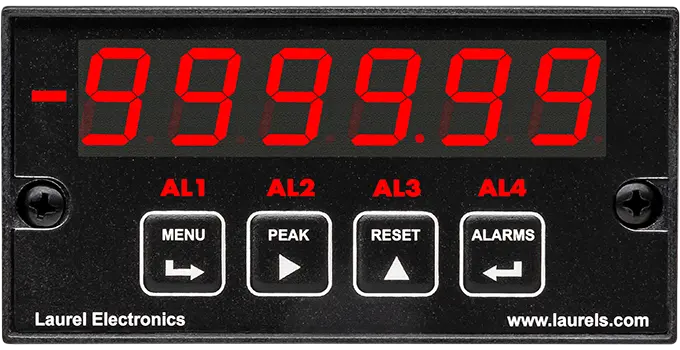
The 1/8 DIN form factor (96mm x 48mm) makes these Digital Panel Meters ideal for panel-mounted installations where space efficiency is important. The standardized DIN sizing ensures these Digital Panel Meters fit into common panel cutouts, allowing for easy integration into control panels, machine operator interfaces, test equipment enclosures, and process control systems.
Key Features of Electronic Timer Digital Panel Meters
Modern electronic timer Digital Panel Meters incorporate numerous features that enhance their functionality and versatility:
- Multiple Timing Modes: These Digital Panel Meters support various timing modes including count-up (elapsed time), count-down (remaining time), interval timing, pulse output timing, and sequential timing operations, providing flexibility for different application requirements.
- Programmable Setpoints: Users can program time setpoints that trigger relay outputs or alarm signals when specific time values are reached, enabling automated control of downstream equipment or processes.
- Time Base Selection: Digital Panel Meters offer selectable time bases including seconds, minutes, hours, or days, allowing users to configure the instruments for applications ranging from rapid machine cycles to long-duration process monitoring.
- Start/Stop/Reset Control: External control inputs allow these Digital Panel Meters to be started, stopped, paused, and reset via pushbuttons, proximity sensors, limit switches, or PLC outputs, enabling integration into automated control sequences.
- Relay Outputs: Built-in relay contacts in these Digital Panel Meters can control external devices such as motors, solenoids, alarms, or indicator lights when programmed time intervals are completed, providing direct control capability without additional interface hardware.
- Memory Retention: Non-volatile memory in these Digital Panel Meters preserves timing parameters and accumulated time values during power interruptions, ensuring timing accuracy isn't compromised by temporary power losses.
- Communication Interfaces: Advanced models of these Digital Panel Meters include serial communication capabilities (RS-232, RS-485, Modbus) allowing integration with supervisory control systems, data logging equipment, and networked monitoring systems.
1/8 DIN Digital Panel Meters for Elapsed Time Measurement (Count-Up Timers)
Count-Up Timer Functionality
Count-up timer Digital Panel Meters measure and display elapsed time from a starting event. These Digital Panel Meters begin counting from zero when activated and continue accumulating time until stopped or reset. The displayed time represents the total duration of an operation, process cycle, or event, providing operators and maintenance personnel with valuable information about process duration, equipment runtime, and operational efficiency.
These Digital Panel Meters typically offer multiple display resolutions ranging from tenths of seconds for short-duration timing to hours or days for long-term monitoring applications. The flexibility to select appropriate time bases and display formats makes these Digital Panel Meters suitable for diverse timing requirements across different industries and applications.
Applications of Count-Up Timer Digital Panel Meters
- Machine Cycle Time Monitoring: Manufacturing operations use these Digital Panel Meters to measure and display cycle times for machining operations, injection molding cycles, assembly processes, and automated packaging sequences. Monitoring cycle times helps identify process variations, optimize production rates, and detect equipment problems affecting productivity.
- Equipment Runtime Tracking: Maintenance departments employ these Digital Panel Meters to track cumulative operating hours on motors, pumps, compressors, and other equipment requiring periodic maintenance. Runtime data helps schedule preventive maintenance, predict component wear, and plan equipment replacement before failures occur.
- Laboratory Test Duration: Research laboratories and testing facilities use these Digital Panel Meters to record test durations for experiments, material aging tests, environmental exposure tests, and accelerated life testing. Accurate timing documentation is essential for test validity and regulatory compliance.
- Process Monitoring: Chemical processing, food production, and pharmaceutical manufacturing operations monitor process step durations using these Digital Panel Meters. Tracking process times ensures consistency, helps identify process variations, and provides documentation for quality control and regulatory requirements.
- Parking and Time-Based Services: Parking facilities, laundromats, and time-based service operations use these Digital Panel Meters to display elapsed time for billing purposes, ensuring accurate charging based on service duration.
- Athletic and Sports Timing: Swimming pools, gymnasiums, and sports facilities employ these Digital Panel Meters as large-display timers for competitive events, training sessions, and interval timing applications where clear visibility of elapsed time is essential.
1/8 DIN Digital Panel Meters for Countdown Timing (Count-Down Timers)
Count-Down Timer Operation
Count-down timer Digital Panel Meters display remaining time until a preset time interval expires. Operators or control systems program these Digital Panel Meters with desired time durations, and the instruments count down from the preset value to zero, typically triggering an output or alarm when timing is complete. These Digital Panel Meters provide visual indication of time remaining, helping operators anticipate process completion and prepare for subsequent operations.
The countdown display format allows operators to quickly assess how much time remains in a process or cycle, facilitating better workflow management and production planning. Many of these Digital Panel Meters include pre-warning outputs that activate before the main timer expires, alerting operators that process completion is approaching and allowing preparation time for next steps.
Applications of Count-Down Timer Digital Panel Meters
- Batch Process Control: Chemical reactors, mixing vessels, and heat treatment processes use these Digital Panel Meters to control batch process durations. When countdown reaches zero, these Digital Panel Meters trigger valves to drain vessels, stop agitators, or advance processes to next steps, ensuring consistent batch processing.
- Oven and Furnace Timing: Industrial ovens, curing ovens, and heat treatment furnaces employ these Digital Panel Meters to control heating cycles. Countdown timers display remaining cure time, bake time, or heat treatment duration, automatically controlling heating elements or conveyor advancement when processes complete.
- Automated Equipment Control: Packaging machines, assembly stations, and automated test equipment use these Digital Panel Meters to control operation sequences. Countdown timers control dwell times, waiting periods, and cycle durations, triggering next operations when timing completes.
- Irrigation and Sprinkler Control: Agricultural irrigation systems and landscaping sprinkler controls use these Digital Panel Meters to manage watering durations. Countdown timers control zone watering times, automatically advancing to next zones or shutting off systems when programmed durations expire.
- Parking Meter Applications: Parking enforcement and parking facility management systems employ these Digital Panel Meters as countdown displays showing remaining parking time. Visual indication of remaining time helps drivers avoid parking violations and facilitates turnover in time-limited parking areas.
- Food Service Equipment: Commercial cooking equipment including fryers, steamers, and conveyor ovens use these Digital Panel Meters to control cooking times. Countdown displays show remaining cooking time, helping kitchen staff coordinate food preparation and maintain quality standards.
- Laboratory Timers: Research laboratories use these Digital Panel Meters for countdown timing of experiments, incubation periods, and analytical procedures requiring precise time control. Audible and visual alarms alert researchers when reactions, tests, or procedures reach completion.
1/8 DIN Digital Panel Meters for Interval Timing (On-Delay/Off-Delay Timers)
Interval Timer Capabilities
Interval timer Digital Panel Meters provide on-delay and off-delay timing functions essential for sequential control operations and equipment protection applications. On-delay timers in these Digital Panel Meters activate outputs after a programmed delay following input trigger, while off-delay timers maintain outputs for specified periods after input signals are removed. These timing functions enable these Digital Panel Meters to control equipment start sequences, provide time-delayed shutdowns, and implement protective time delays preventing equipment damage.
These Digital Panel Meters often include multiple timing modes in single instruments, allowing users to select appropriate timing functions for specific applications. Adjustable time delays ranging from fractions of seconds to hours or days provide flexibility to accommodate various process requirements and equipment specifications.
Applications of Interval Timer Digital Panel Meters
- Motor Soft-Start Control: Large motor installations use these Digital Panel Meters to control soft-start sequences, gradually applying power to motors to reduce mechanical stress and electrical demand. On-delay timing prevents rapid motor starting that could damage driven equipment or cause excessive current draw.
- Pump Protection: Water supply systems and process fluid pumping applications employ these Digital Panel Meters to prevent pump dry-running and rapid cycling. Off-delay timers keep pumps running briefly after demand ceases, ensuring complete drainage and preventing short-cycling that accelerates wear.
- Compressor Control: Air compressor systems use these Digital Panel Meters to implement time delays between compressor starts, protecting motors from thermal overload and reducing electrical demand spikes. Minimum off-time delays ensure adequate cooling between operating cycles.
- Lighting Control: Commercial building lighting systems employ these Digital Panel Meters to control lighting sequences and provide stairwell safety lighting. Off-delay timers keep lights illuminated for preset periods after occupancy sensors detect no motion, ensuring safe egress.
- Conveyor Sequencing: Material handling systems with multiple conveyors use these Digital Panel Meters to sequence conveyor starts, preventing material pile-up or spillage. Time-delayed starts allow material to clear transfer points before downstream conveyors activate.
- Ventilation Control: Industrial ventilation and fume exhaust systems employ these Digital Panel Meters to maintain air circulation after processes stop. Off-delay timers keep exhaust fans running to clear residual fumes and ensure safe working environments.
- Access Control: Security systems and controlled-access areas use these Digital Panel Meters to control door locks and gate operators. Time-delayed releases allow adequate passage time while maintaining security by automatically re-engaging locks after programmed intervals.
1/8 DIN Digital Panel Meters for Dual-Function Timing (Programmable Multi-Mode Timers)
Multi-Mode Timer Versatility
Dual-function and multi-mode timer Digital Panel Meters combine multiple timing capabilities in single instruments, providing exceptional versatility and value. These Digital Panel Meters can be programmed to operate in different timing modes including count-up, count-down, on-delay, off-delay, interval, pulse, and sequential timing modes. User-selectable timing modes allow these Digital Panel Meters to adapt to changing application requirements without hardware modifications or equipment replacement.
Advanced programmable timer Digital Panel Meters include extensive configuration options allowing users to customize display formats, time bases, output functions, and control sequences. Some models of these Digital Panel Meters feature multiple independent timing channels, enabling simultaneous control of several time-dependent processes or equipment sequences from single instruments.
Applications of Multi-Mode Timer Digital Panel Meters
- Manufacturing Cell Control: Automated manufacturing cells use these Digital Panel Meters to coordinate multiple time-dependent operations including part loading delays, process dwell times, tool change sequences, and quality inspection intervals. Programmable timing modes accommodate diverse process requirements within single production cells.
- Test Stand Automation: Product testing and quality control test stands employ these Digital Panel Meters to automate test sequences involving timed test steps, measurement intervals, stabilization delays, and result recording periods. Flexible timing modes support various test protocols without reprogramming.
- Car Wash Control: Automated car wash systems use these Digital Panel Meters to sequence washing, rinsing, waxing, and drying operations. Multiple timing functions control application durations, transition delays, and equipment cycling, ensuring thorough vehicle cleaning while optimizing water and chemical usage.
- Kiln and Oven Control: Ceramic kilns, pottery ovens, and heat treatment furnaces employ these Digital Panel Meters to control complex firing schedules involving multiple temperature ramps, soak times, and cooling phases. Programmable timing supports diverse firing profiles for different materials and products.
- Industrial Dishwasher Control: Commercial dishwashing equipment uses these Digital Panel Meters to control wash cycles, rinse cycles, and sanitizing stages. Timing flexibility accommodates different wash program requirements while maintaining proper sanitization times for health code compliance.
- Chemical Feed Systems: Water treatment plants and industrial process chemical feed systems employ these Digital Panel Meters to control metering pump operations. Timed on/off cycles control chemical addition rates, while delay functions prevent overdosing during startup.
- Aquaculture and Aquarium Control: Fish farming operations and aquarium systems use these Digital Panel Meters to automate feeding schedules, lighting cycles, filtration operations, and water exchange sequences. Multiple timing modes support complex environmental control requirements.
Conclusion
Digital Panel Meters Electronic Timers represent essential control instruments for industrial automation, manufacturing operations, laboratory applications, and commercial equipment control. These Digital Panel Meters provide accurate, reliable, and versatile timing functions essential for process control, equipment protection, operational efficiency, and automated sequences. From simple elapsed time displays through complex multi-function timing controllers, these Digital Panel Meters deliver the precision and reliability demanded in modern time-dependent operations.
The compact 1/8 DIN form factor, bright displays, flexible programming options, and robust relay outputs make these Digital Panel Meters practical solutions for diverse timing applications. Whether controlling batch processes, protecting equipment through time delays, coordinating sequential operations, or providing multi-mode timing flexibility, these specialized Digital Panel Meters ensure accurate time measurement and control essential for quality, efficiency, and safety in contemporary industrial and commercial operations.
Less Information.