Programmable Digital Panel Meters, Electronic Counters, and Industrial Timers
How Do 1/8 DIN Digital Panel Meters Work?
- Input Signal Measurement:
The primary function of 1/8 DIN Digital Panel Meters is to measure input signals. These Digital Panel Meters connect to circuits, sensors, or transducers through dedicated input terminals. The Digital Panel Meters are calibrated to accurately convert input signals into readable digital output.
- Analog-to-Digital Conversion:
Once signals are applied, the Digital Panel Meters use internal analog-to-digital converters (ADC) to transform analog signals into digital values. This conversion allows parameters to be displayed on the digital screen.
- Display of Measurement:
The converted digital value is processed and displayed on the Digital Panel Meters' screen. The display typically consists of LED or LCD screens showing readings in real-time. This allows operators to monitor parameters easily and make informed decisions.
- Additional Features:
Many 1/8 DIN Digital Panel Meters include additional features like alarms, data logging, or communication capabilities (RS-232, RS-485, Modbus) for integration into monitoring and control systems. These features enhance the functionality of the Digital Panel Meters, making them versatile in various applications.
Where Are 1/8 DIN Digital Panel Meters Used?
1/8 DIN Digital Panel Meters are widely used in numerous industrial and commercial applications due to their reliability and ease of use. Some common areas where these Digital Panel Meters are employed include:
- Industrial Automation and Control Systems
In industrial automation, maintaining precise control over electrical systems is critical. Digital Panel Meters are used to monitor voltage levels, current, temperature, and other parameters in motors, actuators, and sensors. By providing accurate readings, these Digital Panel Meters help prevent conditions that could damage equipment or disrupt operations. Digital Panel Meters are integrated into control panels and systems to facilitate remote monitoring and automation.
- Power Generation and Distribution
Digital Panel Meters are widely used in power generation and distribution facilities to monitor voltage, current, and power parameters in generators, transformers, and power lines. Maintaining stable parameters is essential for ensuring reliable power delivery and equipment protection. Digital Panel Meters allow operators to continuously monitor levels and make real-time adjustments to prevent fluctuations.
- Renewable Energy Systems
The adoption of renewable energy sources has increased the demand for reliable monitoring. Digital Panel Meters are employed in these systems to monitor DC voltage and current generated by solar panels or wind turbines. Accurate monitoring is crucial for optimizing performance and ensuring energy is efficiently converted and stored. Digital Panel Meters help track output, ensuring systems operate at peak efficiency.
- Automotive and Transportation Industry
In automotive and transportation sectors, Digital Panel Meters are essential for monitoring voltage levels, current, and temperature of batteries and other components. These Digital Panel Meters are used in electric vehicles, trains, and transportation systems to ensure batteries are charged correctly and electrical systems function properly. Monitoring in real time helps prevent overcharging and other issues. Digital Panel Meters are also used in development and testing of new technologies.
- Laboratories and Research Facilities
In laboratories and research environments, precise measurement is paramount. Digital Panel Meters are used in experimental setups, test benches, and calibration processes to provide accurate readings. Researchers rely on these Digital Panel Meters to gather reliable data critical for validating hypotheses, testing materials, or developing technologies. The accuracy and reliability of Digital Panel Meters make them indispensable tools in scientific research.
- HVAC and Building Automation
Heating, ventilation, and air conditioning systems rely on consistent electrical performance. Digital Panel Meters are used in these systems to monitor voltage, current, and temperature supplied to various components. By ensuring correct parameters are maintained, Digital Panel Meters help optimize efficiency, reducing energy consumption and extending equipment lifespan. Digital Panel Meters can be integrated into larger systems for centralized monitoring.
- Marine and Aerospace Applications
In marine and aerospace industries where reliable electrical systems are critical for safety, Digital Panel Meters play vital roles. On ships, aircraft, and spacecraft, these Digital Panel Meters are used to monitor voltage, current, and temperature of onboard power systems. Whether powering navigation systems, communication equipment, or life support systems, maintaining stable parameters is essential. Digital Panel Meters provide real-time feedback for quick issue identification.
Conclusion
1/8 DIN Digital Panel Meters are versatile instruments that find applications across a wide range of industries. Their ability to provide accurate, real-time monitoring makes them indispensable in settings where electrical performance is critical to safety, efficiency, and reliability. From industrial automation to renewable energy, transportation, and beyond, these Digital Panel Meters play key roles in ensuring electrical systems operate within safe and optimal parameters. As technology continues to evolve, the demand for precise and reliable monitoring will only increase, further solidifying the importance of Digital Panel Meters in modern industry.
Industrial Analog Digital Panel Meters for DC Current Input Signal
What are 1/8 DIN Digital Panel Meters for DC Current Input Signal?
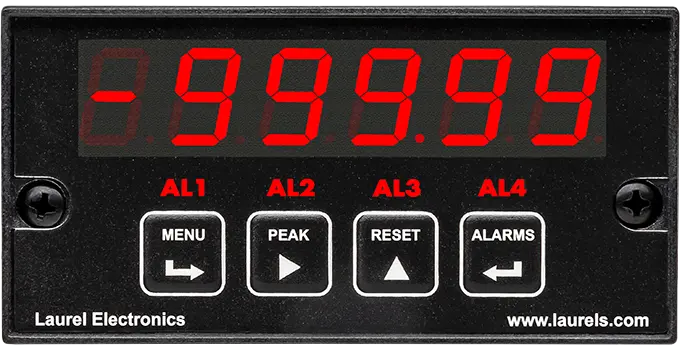
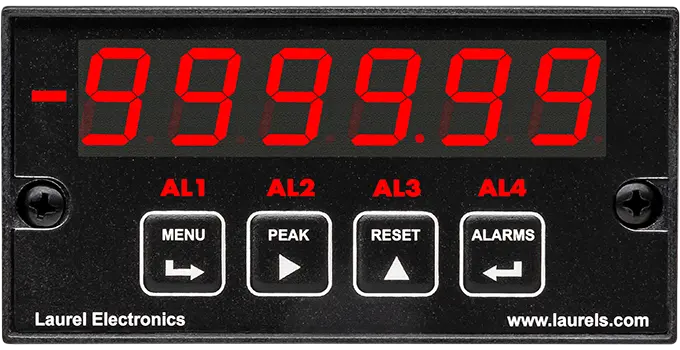
1/8 DIN Digital Panel Meters are specialized electronic devices used for monitoring and displaying various electrical parameters, particularly direct current (DC) signals. The term "1/8 DIN" refers to the standardized size of the Digital Panel Meters. DIN stands for "Deutsches Institut für Normung," a German standardization body, relating to the physical dimensions of these devices. Specifically, 1/8 DIN Digital Panel Meters measure approximately 96 x 48 mm (3.78 x 1.89 inches), making them compact and widely adaptable options for panel installations.
How Do 1/8 DIN Digital Panel Meters for DC Current Work?
Digital Panel Meters designed for DC current input operate by interfacing with DC electrical circuits to measure and display current flowing through those circuits. Here's how they typically work:
-
Current Sensing: The Digital Panel Meters are connected to circuits where DC current needs measurement. This can be achieved through direct connections or via current transducers or shunts that convert high currents into lower, measurable ranges suitable for the Digital Panel Meters.
- Signal Conditioning: Input current signals often need conditioning to make them suitable for measurement. This may involve scaling down large currents using shunts or amplifying small currents. The Digital Panel Meters might also filter out noise and stabilize signals to ensure accurate readings.
- Analog-to-Digital Conversion: Once current is properly conditioned, the Digital Panel Meters convert analog signals (representing DC current) into digital values using Analog-to-Digital Converters (ADC). These digital values are then processed by the Digital Panel Meters' internal microcontrollers.
- Display: The processed digital values are shown on the Digital Panel Meters' displays, which are usually LED or LCD screens. Displayed values are typically in amperes (A), milliamperes (mA), or other relevant units depending on applications.
- Additional Features: Many modern 1/8 DIN Digital Panel Meters come with additional functionalities such as alarms, relays, data logging, and communication interfaces like RS-485 for integration with supervisory control and data acquisition (SCADA) systems.
Where Are 1/8 DIN Digital Panel Meters for DC Current Used?
In various industrial, commercial, and scientific settings, monitoring electrical signals accurately is vital for maintaining efficient and safe operations. Digital Panel Meters designed for DC current input signals provide precise and reliable measurements, making them invaluable in a range of applications.
- Industrial Automation
In industrial automation systems, Digital Panel Meters are employed to monitor and control current flows in machinery and equipment. These Digital Panel Meters help ensure equipment operates within specified current ranges, preventing overcurrent conditions that could lead to equipment damage or failure. They are particularly useful in control panels and instrumentation setups where space is at a premium but accurate readings are essential.
- Power Distribution and Management
In power distribution networks, these Digital Panel Meters are used to measure current in electrical circuits. They are essential for monitoring performance of transformers, circuit breakers, and other power distribution equipment. By providing real-time current readings, they help operators detect and address issues such as overloading or irregular current fluctuations, ensuring reliability and efficiency of power distribution systems.
- Laboratories and Research Facilities
In scientific research and laboratory environments, precise measurement of DC current is often required for experiments and equipment calibration. The compact size of Digital Panel Meters makes them ideal for use in laboratory setups where space is limited but accuracy is critical. Researchers use these Digital Panel Meters to monitor current in experimental setups, ensuring results are accurate and reliable.
- Energy Management Systems
Energy management systems benefit from integration of Digital Panel Meters as they provide detailed insights into current consumption patterns. These Digital Panel Meters are used to monitor energy usage in real time, allowing for better management of energy resources and identification of areas where energy efficiency can be improved. This can lead to significant cost savings and reduction in energy consumption.
- HVAC Systems
Heating, Ventilation, and Air Conditioning (HVAC) systems rely on accurate current measurements to ensure optimal performance. Digital Panel Meters are used to monitor current in various components of HVAC systems, including motors and compressors. By tracking current levels, these Digital Panel Meters help in diagnosing issues and maintaining efficiency and reliability of HVAC systems.
- Electric Vehicle Charging Stations
With growth of electric vehicles, monitoring current during charging is becoming increasingly important. Digital Panel Meters are used in electric vehicle (EV) charging stations to measure and display current flowing into vehicles. This helps ensure charging processes are proceeding correctly and can assist in troubleshooting any issues that may arise.
- Marine and Aerospace Applications
In marine and aerospace applications, where reliability and precision are paramount, Digital Panel Meters provide crucial measurements of DC current. These Digital Panel Meters are used in various onboard systems to monitor electrical currents and ensure safe and efficient operation of equipment.
Conclusion
1/8 DIN Digital Panel Meters for DC current input signals are versatile tools used across wide ranges of applications. Their compact size does not compromise functionality, making them ideal for environments where space is limited but accurate measurement is essential. Whether in industrial automation, power distribution, laboratories, energy management, HVAC systems, EV charging stations, or high-stakes marine and aerospace applications, these Digital Panel Meters provide reliable performance that supports safe and efficient operations.
Industrial Analog Digital Panel Meters for Load Cell, Strain Gauge & Microvolt
What are 1/8 DIN Digital Panel Meters for Load Cell, Strain Gauge, and Microvolt Measurements?
In precision measurement and data acquisition, 1/8 DIN Digital Panel Meters are critical instruments used for displaying and monitoring various types of electrical signals. Specifically designed to interface with load cells, strain gauges, and measurements in the microvolt range, these devices are indispensable in industrial, laboratory, and scientific applications.
Understanding 1/8 DIN Digital Panel Meters
The term "1/8 DIN" refers to the size of the Digital Panel Meters, which are standardized to fit in panel cutouts that are 1/8th the size of standard DIN enclosures. This compact size makes them excellent choices for applications where space is limited but precise measurements are essential.
Digital Panel Meters of this size are designed for ease of use and accuracy. They convert analog signals from various sensors into readable digital formats, providing clear and precise measurements. Their compact design ensures they can be integrated into control panels or instrumentation setups without occupying too much space.
How Do 1/8 DIN Digital Panel Meters Work?
Digital Panel Meters operate by receiving analog signals from sensors or transducers, such as load cells, strain gauges, or microvolt signal sources. Here's a step-by-step overview:
- Signal Acquisition:
The Digital Panel Meters receive analog input signals from connected sensors. Load cells, strain gauges, and other measuring devices output signals in varying ranges and formats.
- Signal Conditioning:
Analog signals are conditioned to ensure they are within operating ranges of the Digital Panel Meters. This may involve amplification, filtering, or conversion to ensure accuracy.
- Analog-to-Digital Conversion:
Conditioned analog signals are converted into digital formats using Analog-to-Digital Converters (ADC). This step is crucial for achieving high precision required in measurements.
- Display and Output:
Digital signals are processed by the Digital Panel Meters' internal circuitry and displayed on their digital screens. Many Digital Panel Meters also offer additional output options, such as analog output, relay outputs, or communication interfaces for integration with other systems.
- Calibration and Configuration:
The Digital Panel Meters can be calibrated to ensure accuracy and configured to suit specific measurement needs, including setting measurement ranges, units, and scaling factors.
Applications and Where Digital Panel Meters Are Used
- Load Cell Measurements:
In industrial and laboratory environments, load cells are used to measure force, weight, or pressure. Digital Panel Meters provide compact yet highly accurate means to display and monitor these measurements, ensuring precise control and feedback.
- Strain Gauge Monitoring:
Strain gauges measure deformation or strain experienced by objects. Digital Panel Meters are used to monitor these measurements, which is critical in applications such as structural health monitoring, material testing, and mechanical systems analysis.
- Microvolt Measurements:
For applications requiring ultra-sensitive measurements, such as scientific research and precision instrumentation, Digital Panel Meters can measure signals in microvolt ranges. This capability is essential for detecting and quantifying very small electrical signals with high precision.
- Industrial Weighing Systems
Digital Panel Meters are commonly used in industrial weighing systems. Load cells convert force into electrical signals, and the Digital Panel Meters read low-level signals, amplify them, and display weights in real-time. These Digital Panel Meters are found in manufacturing, agriculture, and logistics where precise weight measurements are crucial.
- Material Testing and Research Laboratories
In research laboratories and material testing facilities, strain gauges measure deformation or strain of materials under load. Digital Panel Meters accurately capture and display these minute changes, allowing researchers to analyze material properties.
- Automation and Process Control
In automation and process control environments, precise measurement and feedback are essential. Load cells and strain gauges are integrated into automated systems to monitor forces, weights, and tensions. Digital Panel Meters provide operators with clear, immediate feedback for quick adjustments.
- Aerospace and Defense
Aerospace and defense sectors demand high precision and reliability. Load cells and strain gauges are frequently used to test structural integrity of components. Digital Panel Meters measure and display outputs of these sensors, ensuring data is accurate and readily available.
- Energy and Power Generation
In energy sectors, strain gauges and load cells monitor mechanical forces in turbines, generators, and equipment. Digital Panel Meters capture and display this data. Accurate measurement is crucial for maintaining equipment efficiency and preventing failures.
- Medical Devices and Health Monitoring
Precision is vital in medical devices and health monitoring systems. Load cells and strain gauges are used in patient monitoring equipment, prosthetics, and surgical instruments. Digital Panel Meters display low-voltage signals from these sensors, providing healthcare professionals with accurate feedback.
Conclusion
1/8 DIN Digital Panel Meters are versatile and essential tools in various industries where load cells, strain gauges, and microvolt sensors are used. From industrial weighing systems and automation to aerospace and medical applications, these compact Digital Panel Meters provide precise and reliable measurement, ensuring critical processes and systems operate efficiently and safely.
Industrial Analog Digital Panel Meters for True RMS AC Voltage and True RMS AC Current
What are True RMS Digital Panel Meters?
1/8 DIN Digital Panel Meters with True RMS capability accurately measure AC voltage and current regardless of waveform distortion. Unlike average-responding instruments, these Digital Panel Meters calculate actual heating equivalents of AC signals, providing accurate readings for both sinusoidal and non-sinusoidal waveforms.
Why True RMS Matters
Modern electrical systems contain variable frequency drives, switching power supplies, and electronic loads that generate distorted waveforms. True RMS Digital Panel Meters accurately measure voltage and current in these conditions where standard instruments would give incorrect readings.
Applications
- VFD Monitoring: Measuring output voltage and current from variable frequency drives controlling motors and pumps.
- Power Quality: Monitoring voltage and current in systems with harmonic distortion from electronic loads.
- Generator Systems: Tracking output voltage and current from generators and inverters in backup power systems.
- Industrial Automation: These Digital Panel Meters are integrated into control panels to monitor AC voltage and current supplied to equipment. True RMS measurement is essential because industrial equipment can draw non-linear loads.
- Renewable Energy: Solar power inverters and wind turbines produce non-sinusoidal waveforms. Digital Panel Meters that measure True RMS ensure accurate monitoring.
- HVAC Systems: These systems rely on precise voltage and current control. True RMS Digital Panel Meters monitor AC supplied to motors and compressors.
- Laboratory Testing: Where experiments require exact voltage and current measurements, Digital Panel Meters with True RMS capabilities are indispensable.
- Energy Management: Facilities use Digital Panel Meters to monitor current across different phases, helping identify energy wastage.
- Motor Control Centers: Digital Panel Meters monitor current drawn by motors, helping prevent overloads and ensuring motors operate efficiently.
Industrial Analog Digital Panel Meters for Temperature Measurement
Thermocouple Temperature Digital Panel Meters
Digital Panel Meters designed for thermocouple inputs measure temperature by converting thermocouple millivolt outputs into temperature readings. These Digital Panel Meters support multiple thermocouple types (J, K, T, E, R, S, N) for different temperature ranges and applications.
RTD Temperature Digital Panel Meters
Resistance Temperature Detector (RTD) Digital Panel Meters measure temperature based on resistance changes of platinum, nickel, or copper sensing elements. These Digital Panel Meters provide superior accuracy and stability compared to thermocouples, especially in -200°C to +850°C ranges.
Applications
- Process Control: Monitoring oven, furnace, and reactor temperatures in manufacturing processes.
- HVAC Systems: Measuring air temperature in heating and cooling systems.
- Food Processing: Monitoring cooking, pasteurization, and refrigeration temperatures.
- Laboratory Equipment: Precision temperature control in incubators, ovens, and environmental chambers.
- Pharmaceutical Manufacturing: Critical temperature monitoring in drug production and storage.
- Plastics Manufacturing: Controlling extruder and injection molding temperatures.
Industrial Analog Digital Panel Meters for Frequency, Rate, Period, and Batch Control
Frequency and Rate Measurement
Digital Panel Meters for frequency, rate, and period measurement display frequency of AC signals or pulse inputs. These Digital Panel Meters convert frequency into engineering units for applications like speed measurement, flow rate calculation, and production counting.
Applications
- Motor Speed: Displaying motor RPM from encoder or tachometer pulse signals.
- Conveyor Speed: Monitoring belt speed in material handling systems.
- Production Rate: Calculating production speed from sensor pulses in manufacturing lines.
- Flow Measurement: Converting pulse signals from flow meters into flow rate displays.
- Power Line Frequency: Monitoring AC power frequency for quality and synchronization.
Batch Controller Digital Panel Meters
Batch controller Digital Panel Meters control dispensing operations by counting pulses or integrating analog signals until preset quantities are reached. These Digital Panel Meters automatically stop filling operations when target values are achieved, ensuring precise batch quantities.
Batch Control Applications
- Liquid Filling: Controlling precise volumes in bottling and packaging operations.
- Chemical Dosing: Dispensing exact quantities of additives in water treatment and processing.
- Ingredient Batching: Measuring recipe components in food and pharmaceutical manufacturing.
- Fuel Dispensing: Controlling preset quantities in fuel transfer and loading operations.
- Manufacturing: Controlling precise amounts of raw material dispensed in production lines.
Final Summary
1/8 DIN Digital Panel Meters are versatile, reliable instruments essential for measurement and control across virtually every industry. Their compact size, precision, and extensive feature sets make these Digital Panel Meters indispensable tools for monitoring voltage, current, temperature, weight, frequency, and process variables in industrial automation, power systems, laboratories, manufacturing, and building management applications. As industries continue advancing toward greater automation, energy efficiency, and data-driven decision making, these proven Digital Panel Meters will remain critical components in modern measurement and control systems worldwide.
Less Information.